MYA is the only cosmetic surgery company rated 'OUTSTANDING' by the Care Quality Commission

Who we are
Welcome to MYA, the country’s leading cosmetic surgery specialists and community. We combine excellence in healthcare, innovative tech and the industry’s most in demand surgeons to pave the way for others to follow.






Your Community and MYA Social
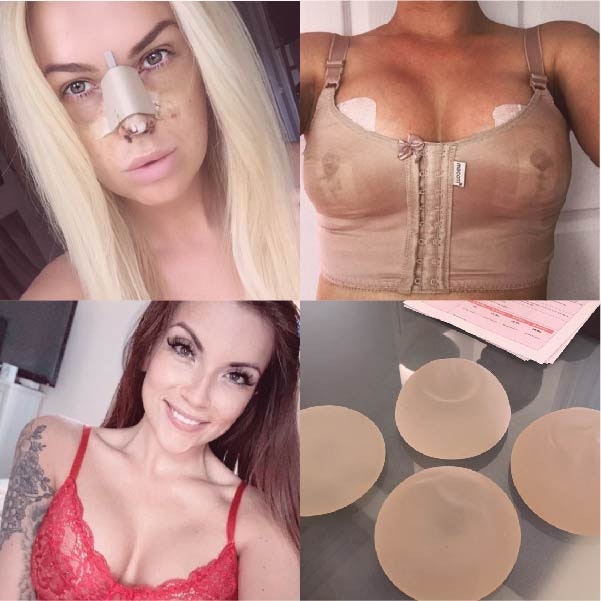
If you’re researching cosmetic surgery, make sure you check out our amazing collection of MYA patients’ Instagram journeys. These accounts are a valuable source of information for anyone wanting to learn more about the cosmetic surgery process.
Explore Our Community


Request a callback
Sharing the MYA love
- Frankie Sims
- Vicky Pattison
- Lauren Pope
- Sherrifa
- Chloe
- Hannah

Frankie Sims
"I had an amazing experience with MYA and I couldn’t thank everyone enough."

Vicky Pattison
"Go with MYA because they're brilliant!"

Lauren Pope
“ When I did my research online, it all suggested MYA so I obviously went to them.”

Sherrifa
"They feel like part of my body now and I often forget they aren’t real!"

Chloe
"MYA changed my life in more ways than I could ever put into words"
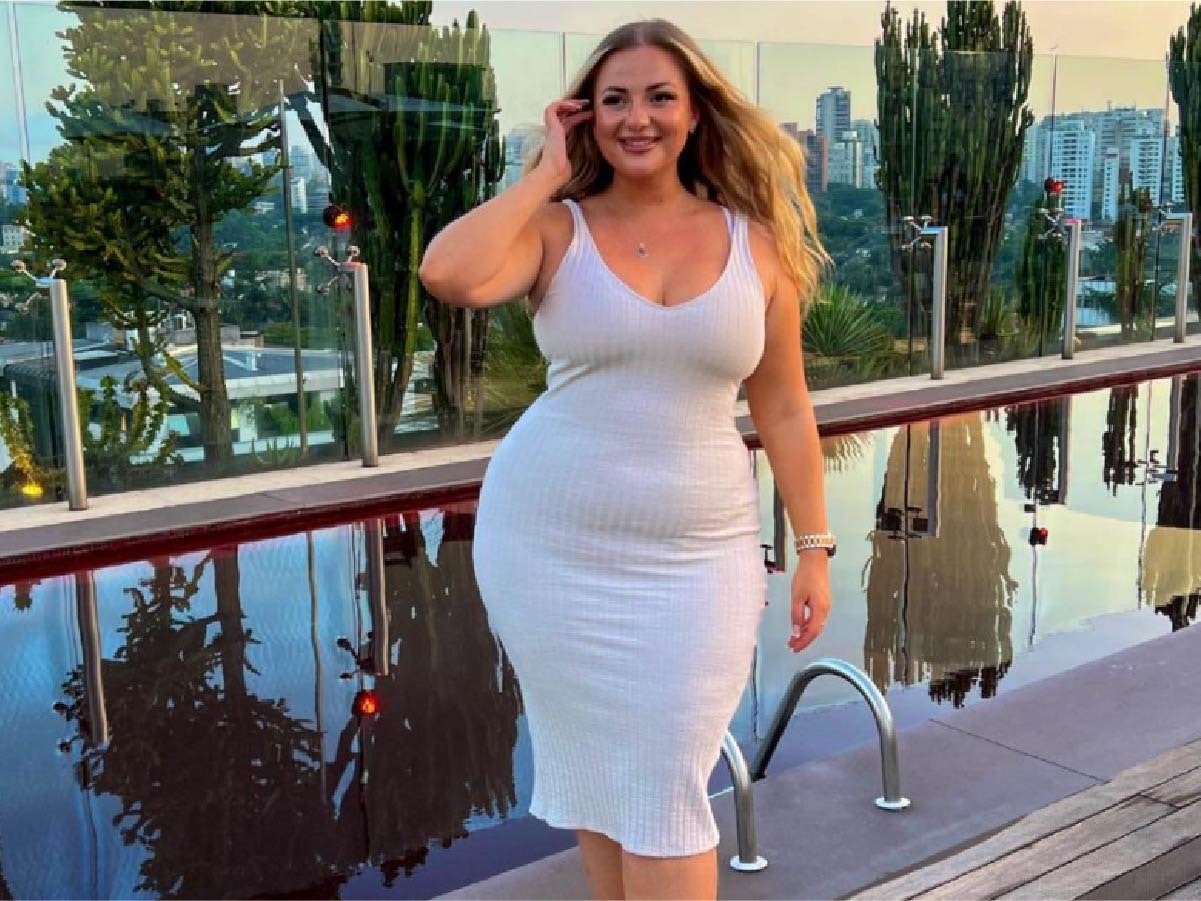
Hannah
"I'm so happy with the shape I am now"


You’re the star of your MYA journey
As cosmetic surgery specialists we pride ourselves in understanding your individual needs so that we can support you throughout this life-changing journey.
“ We believe that everybody and every body is unique ”
MYA Cosmetic Surgery

160,000
Online Community

32,880
Patients

22,990
Enlargements

15,000
Consults

121
Team Members

1
MYA Family
#MYAGIRL
View All ServicesBefore & After
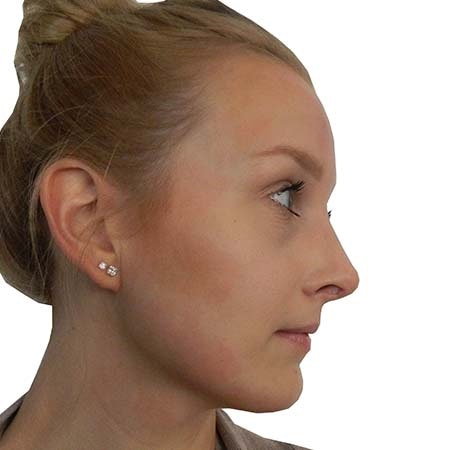
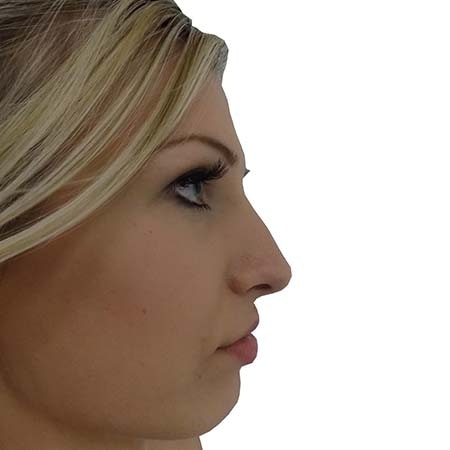
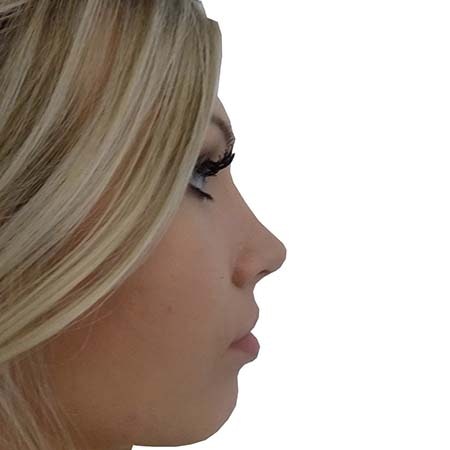
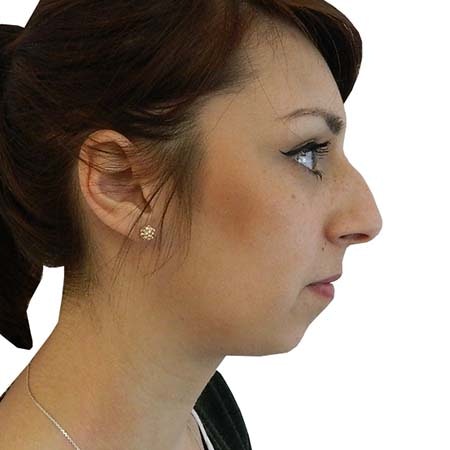
- Rhinoplasty
- Enlargement
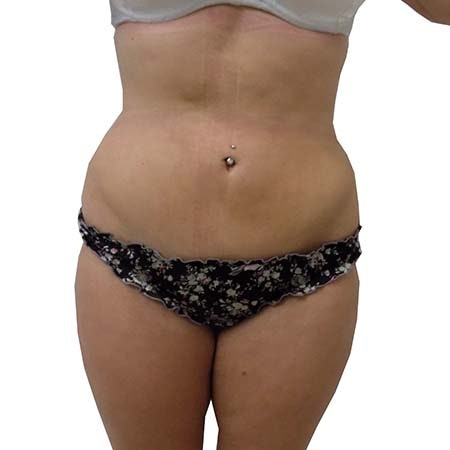
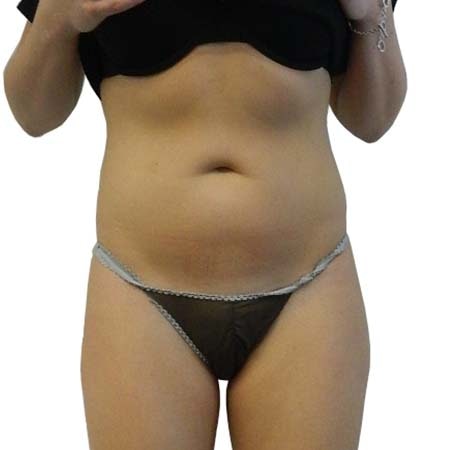
- Liposuction
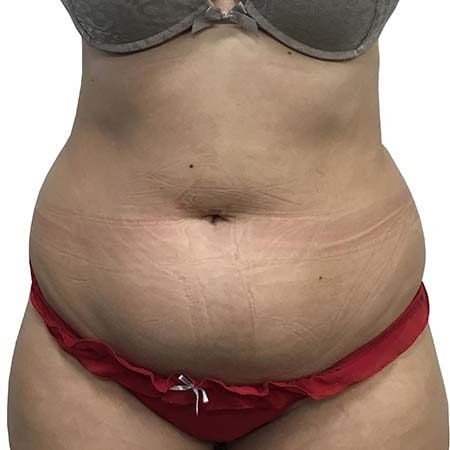
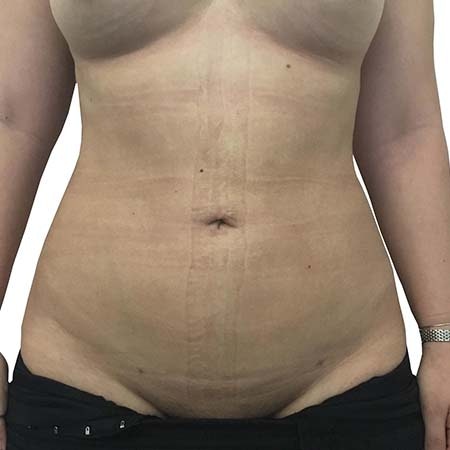
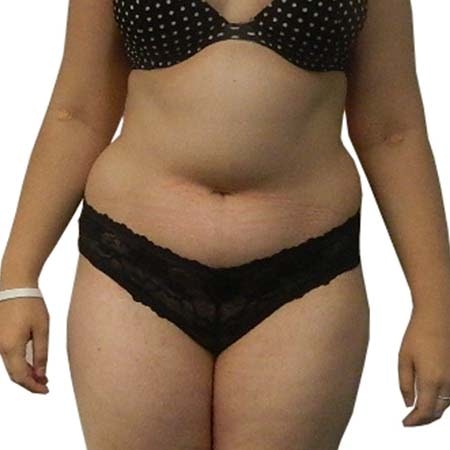
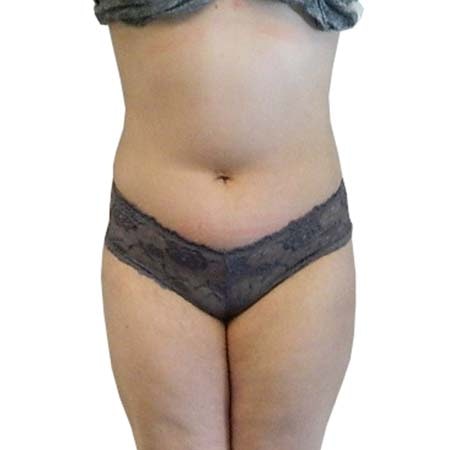
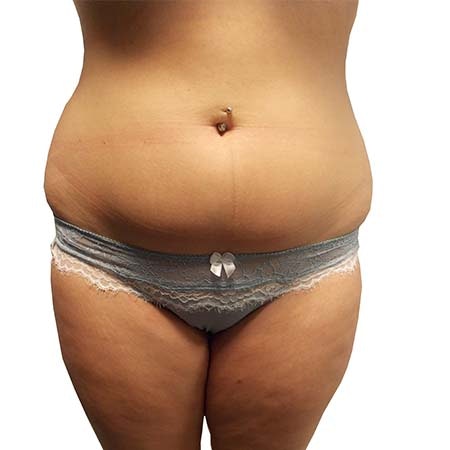
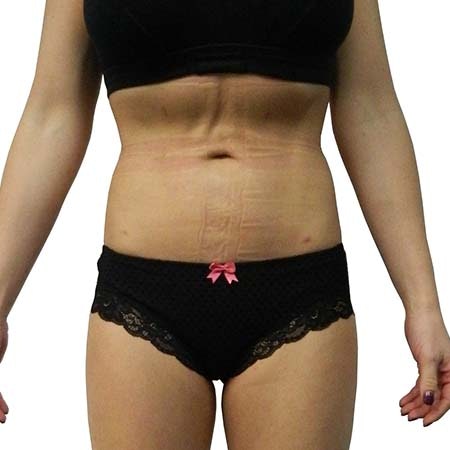
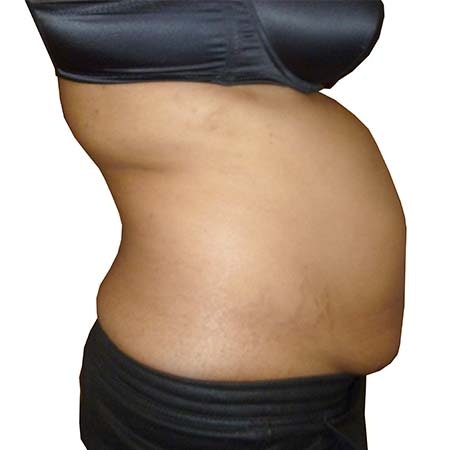
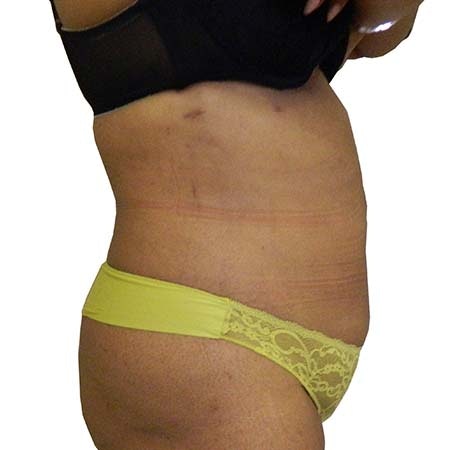
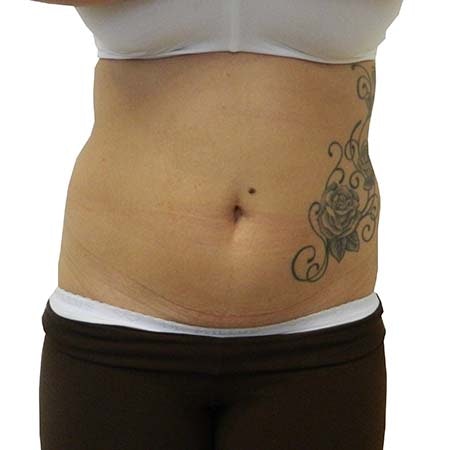
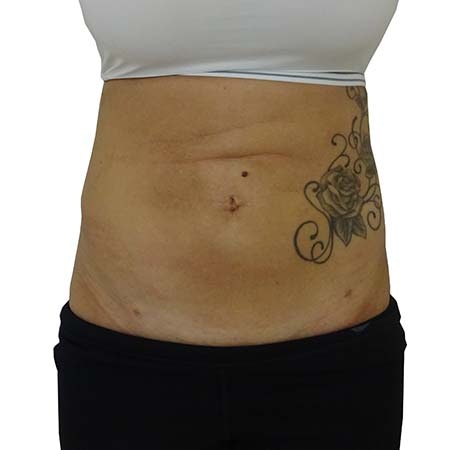
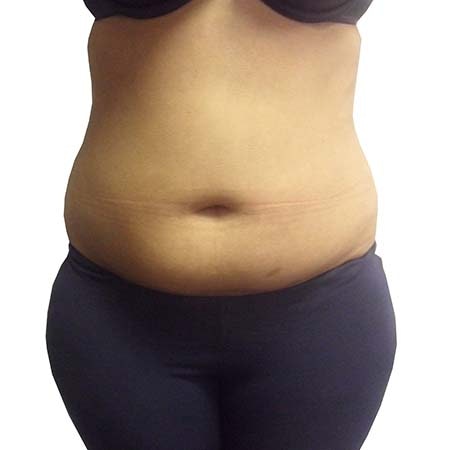
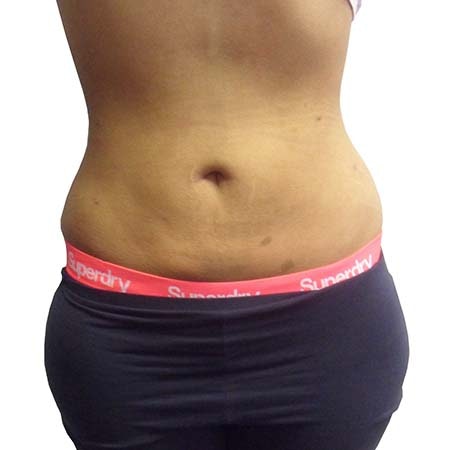
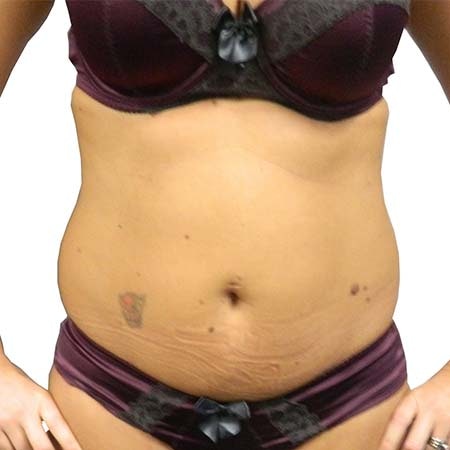
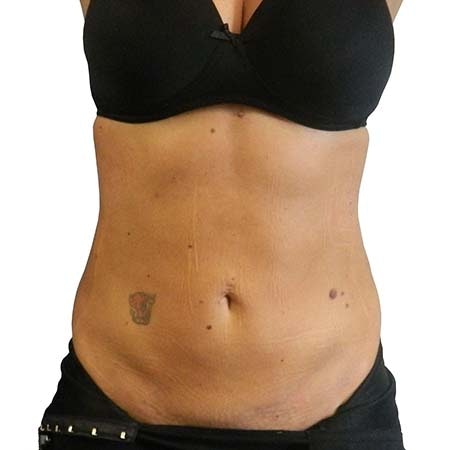
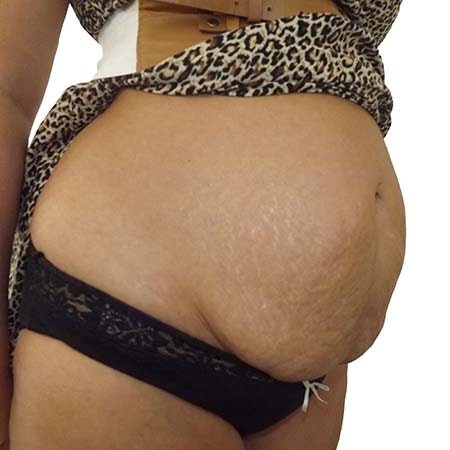
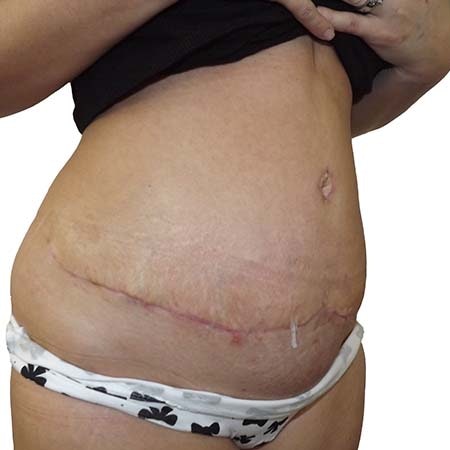
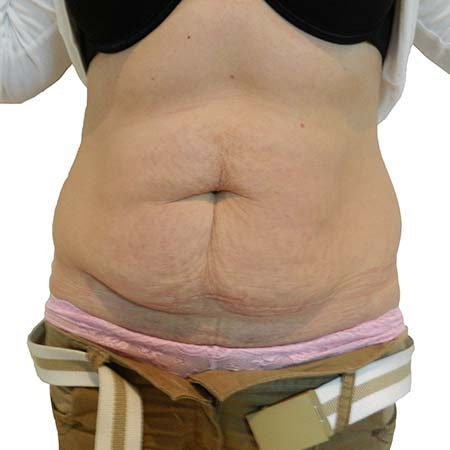
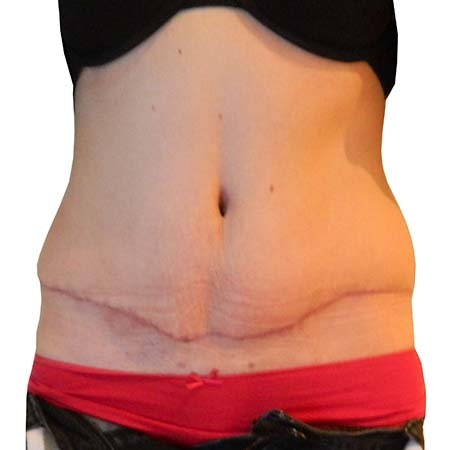
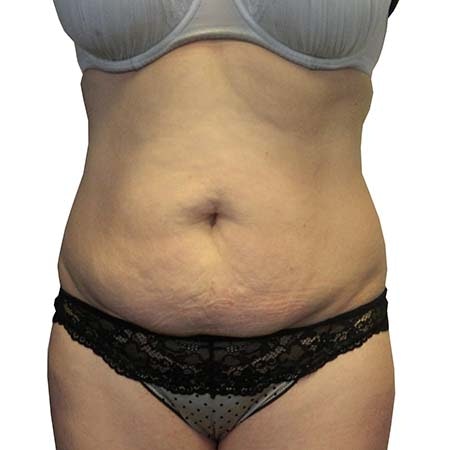
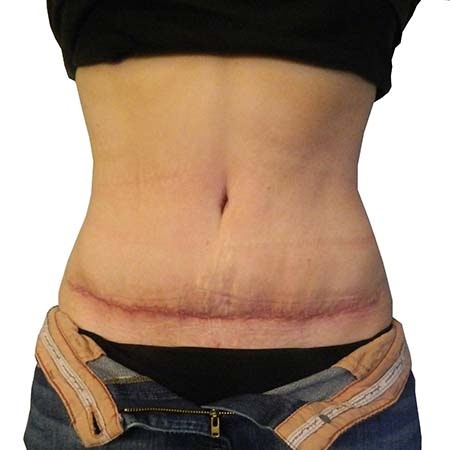
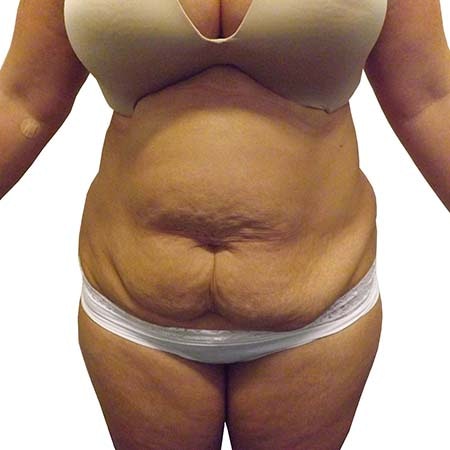
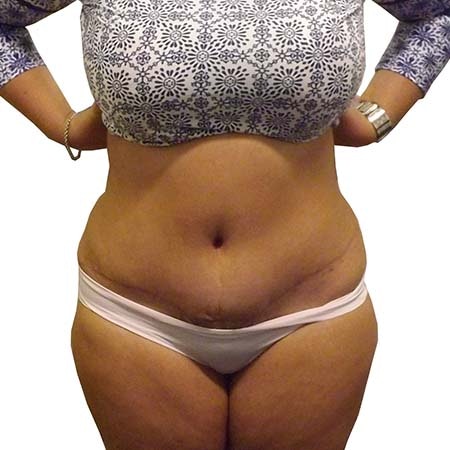
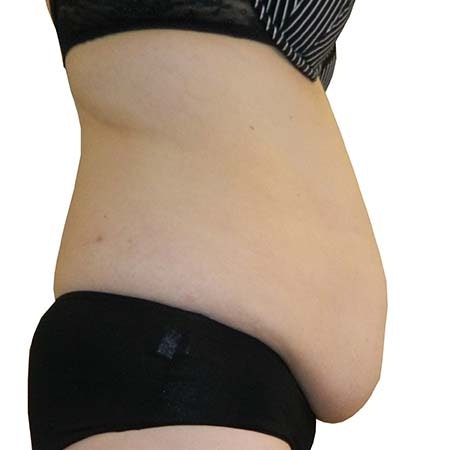
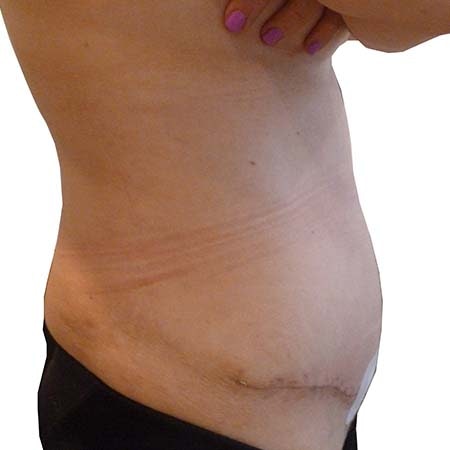
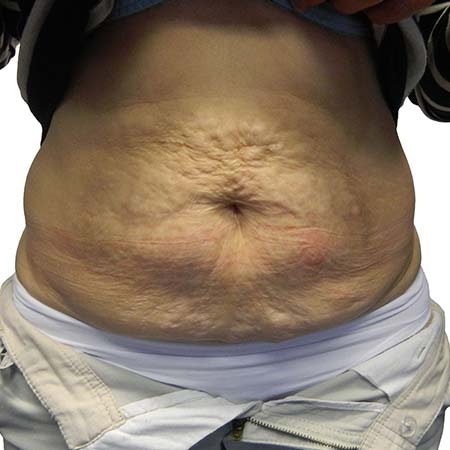
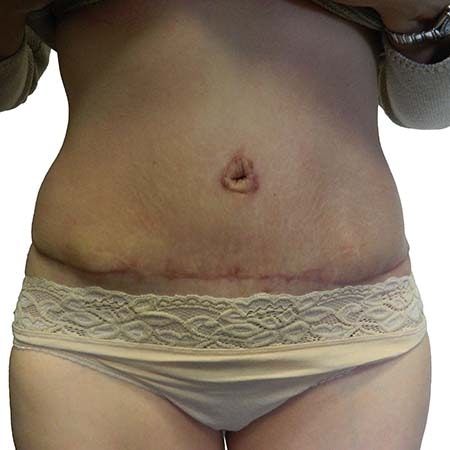
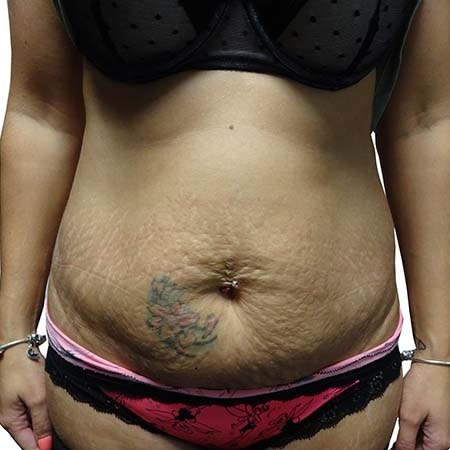
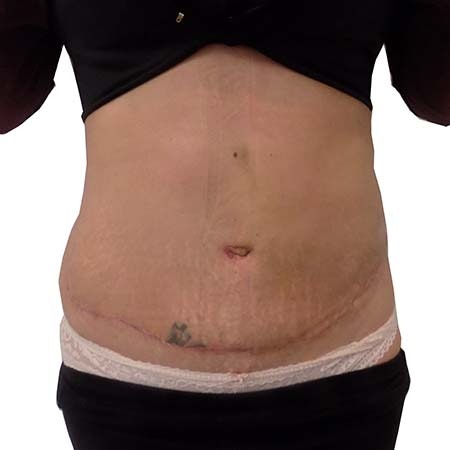
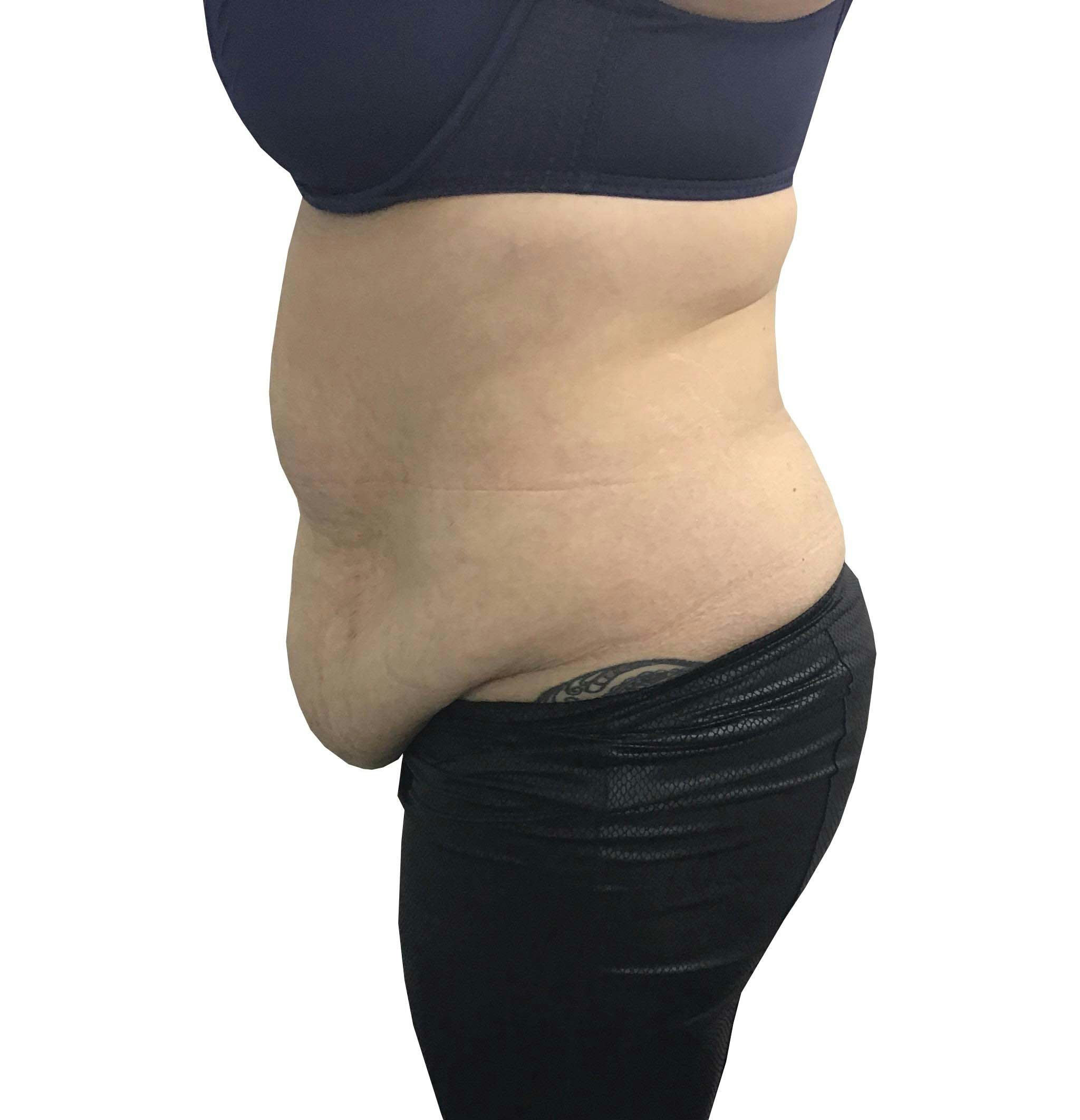
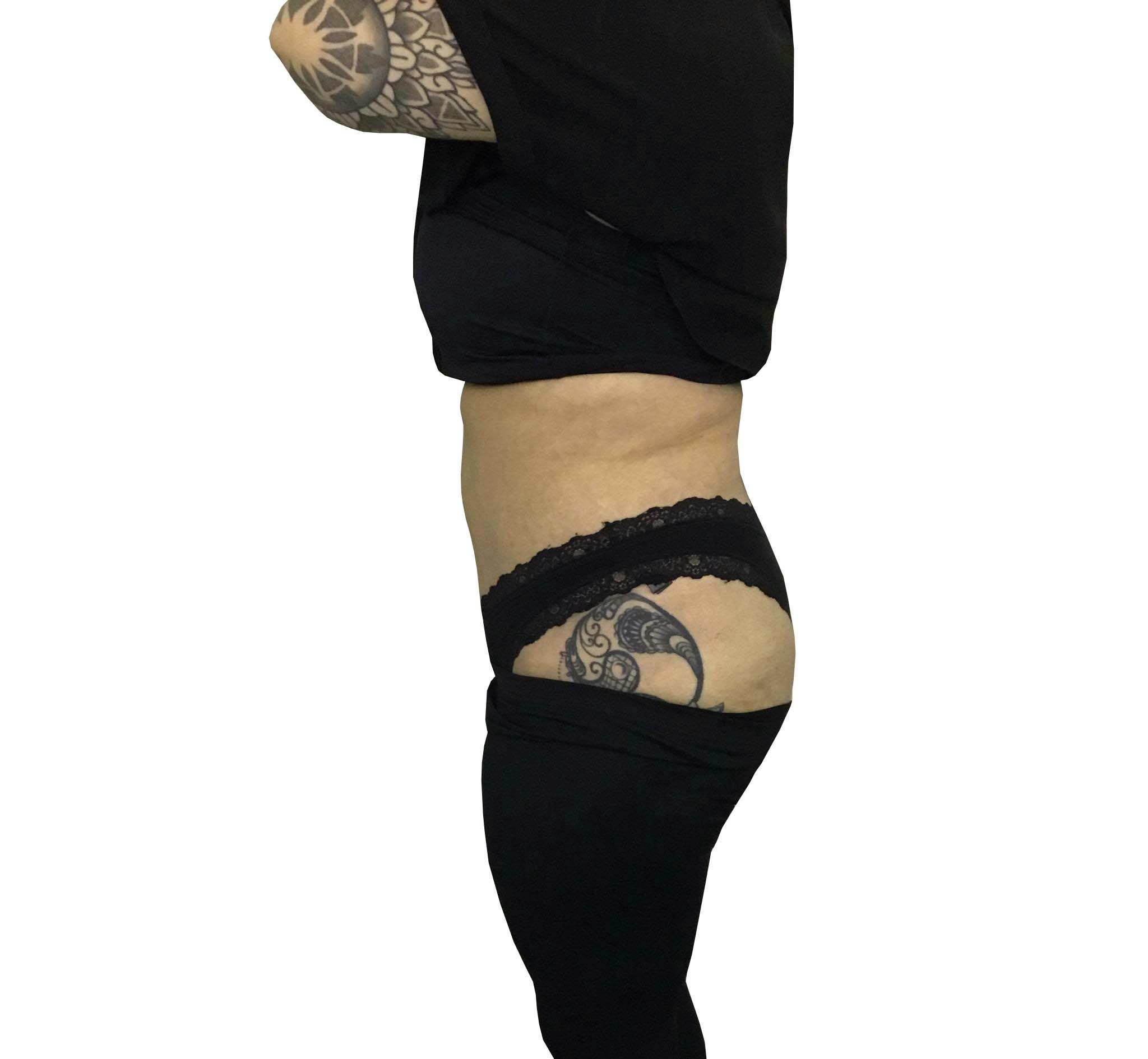
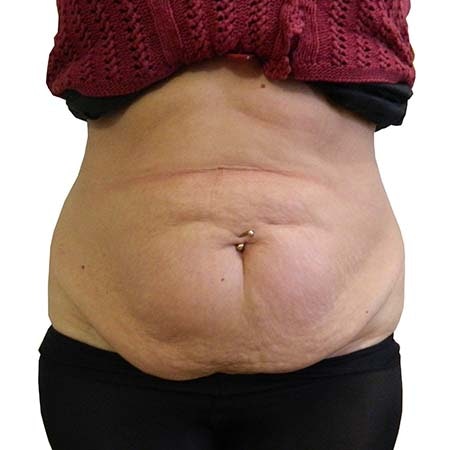
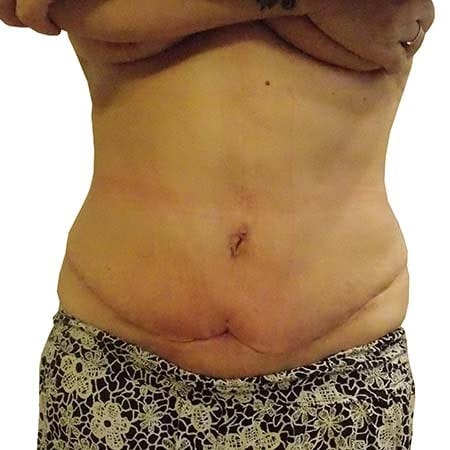
- Tummy Tuck
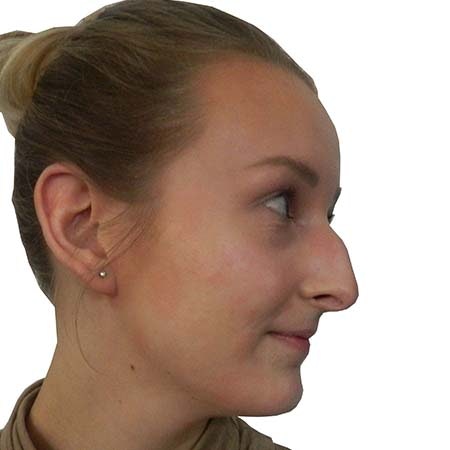
Before
After
Before
After
Before
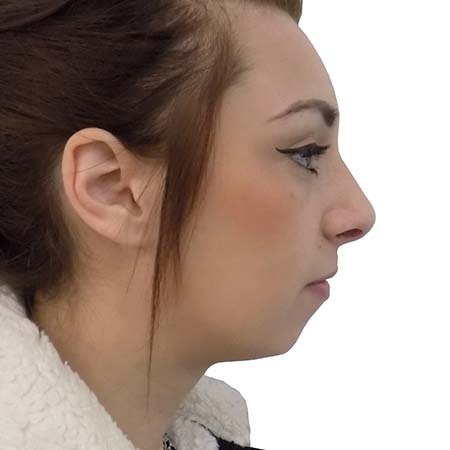
After
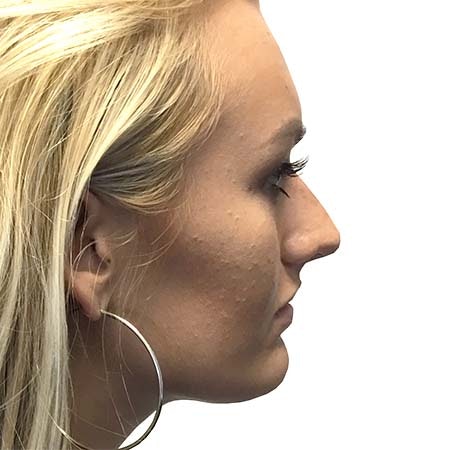
Before
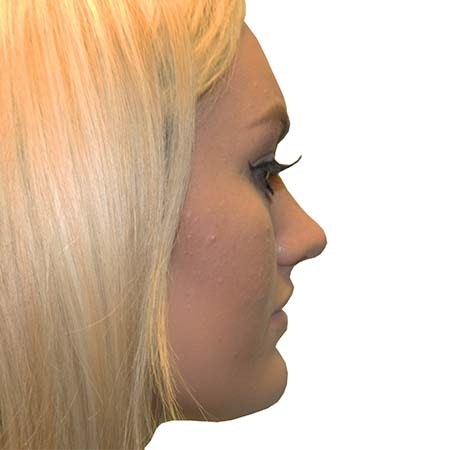
After
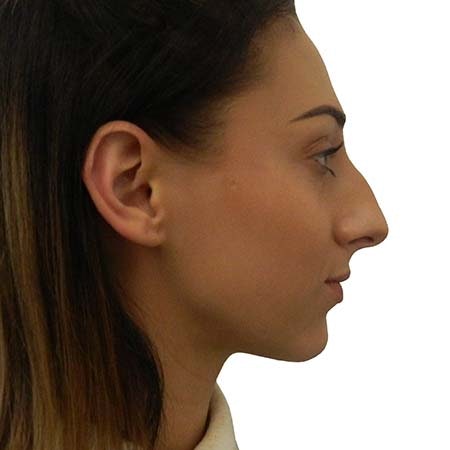
Before

After
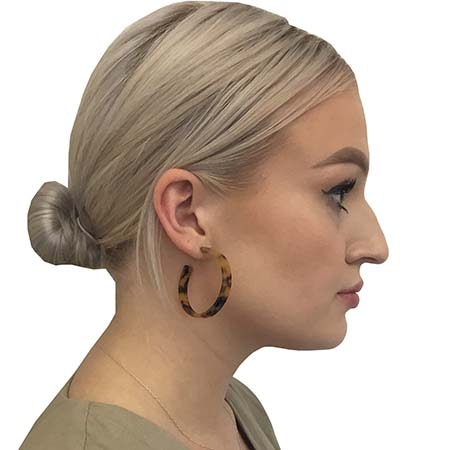
Before
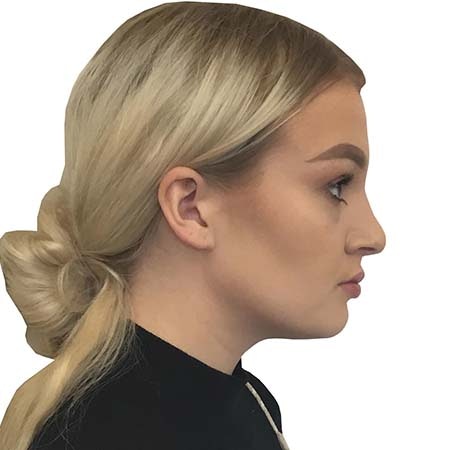
After
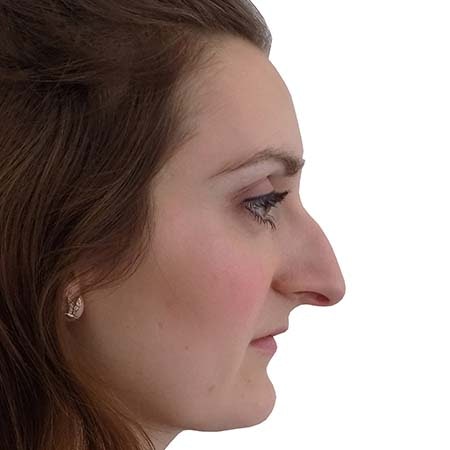
Before
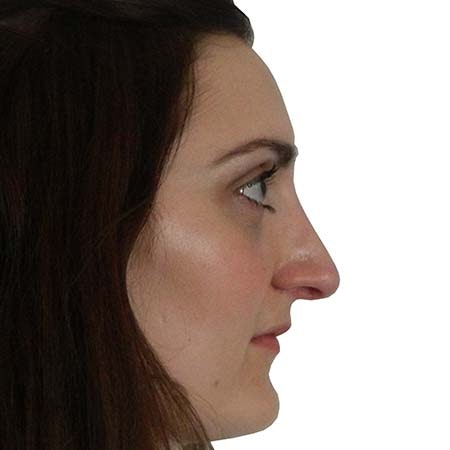
After
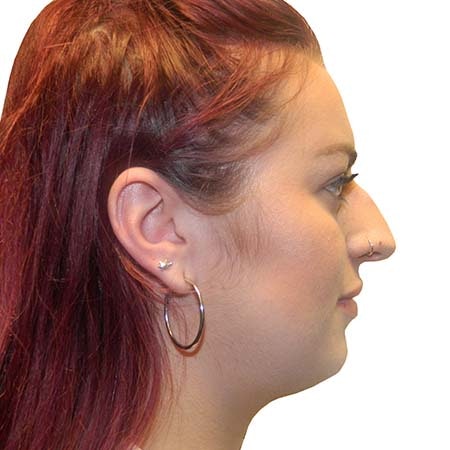
Before
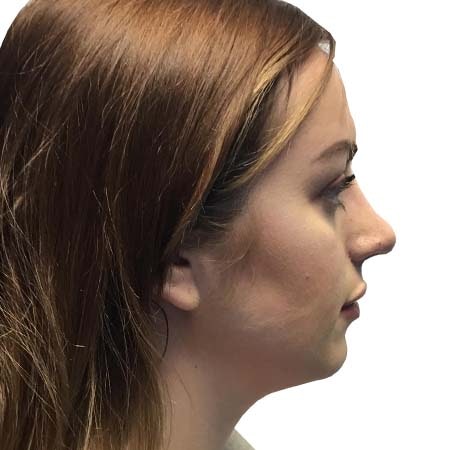
After
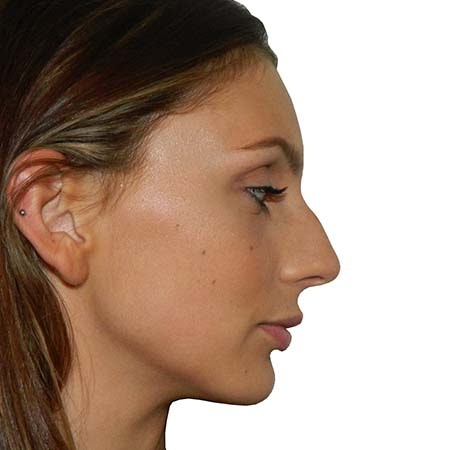
Before
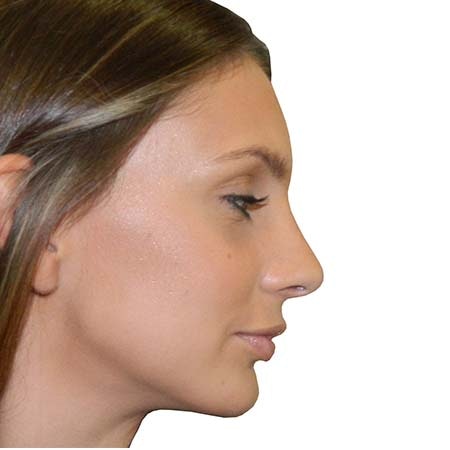
After
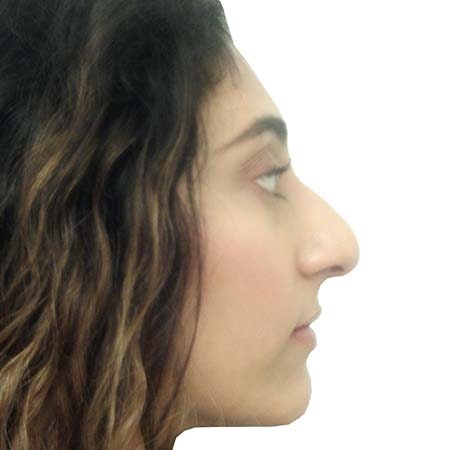
Before
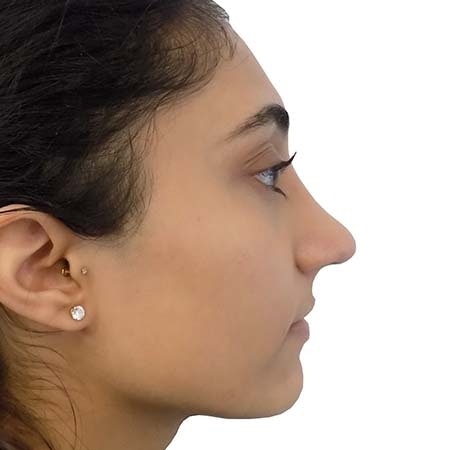
After
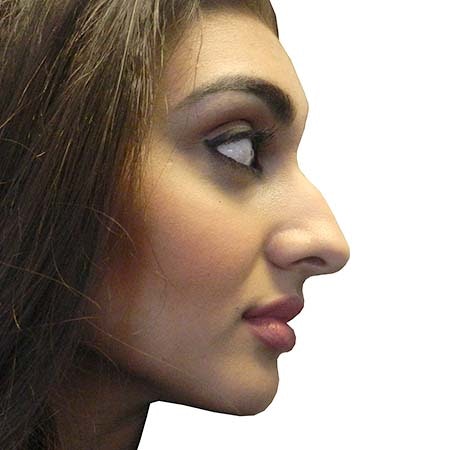
Before
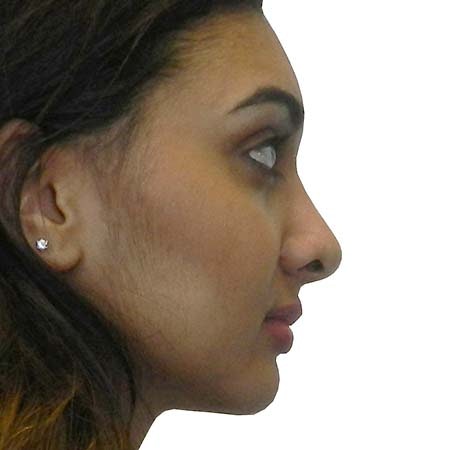
After
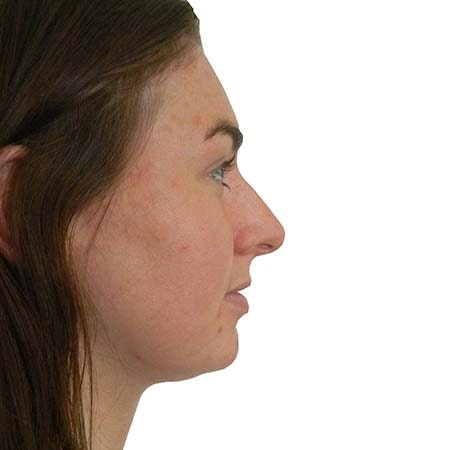
Before
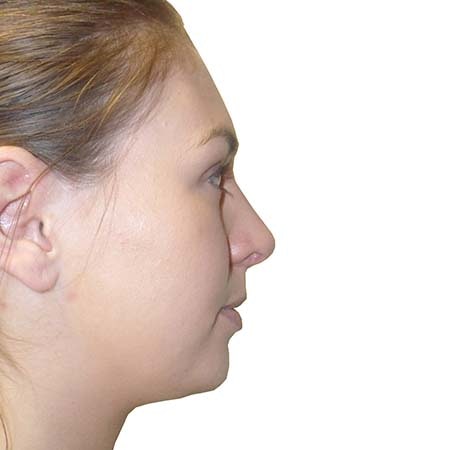
After
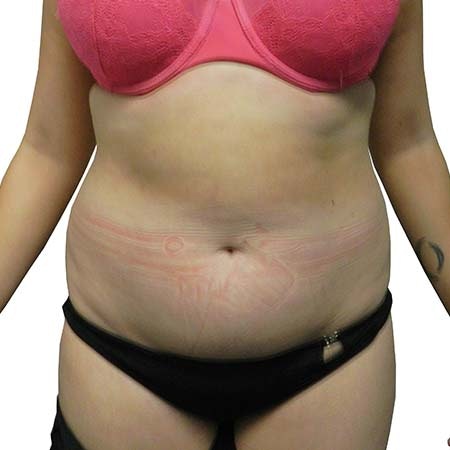
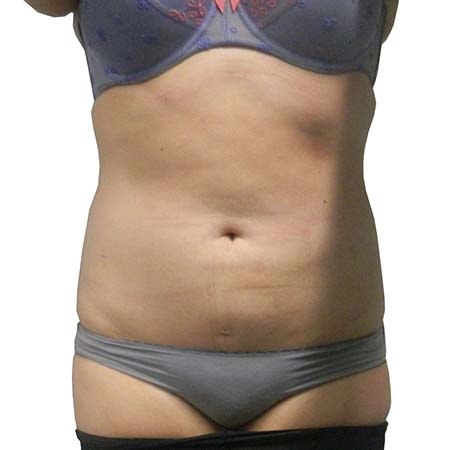

The MYA Patient Portal
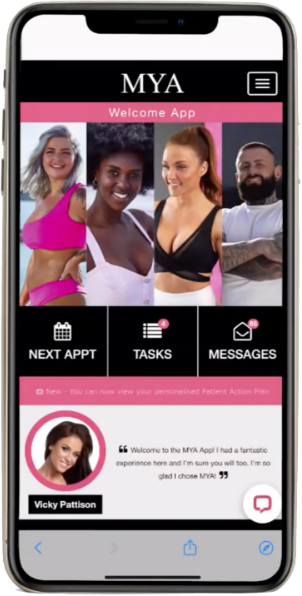
MYA are the only cosmetic surgery provider with an online Patient Portal. We’ve created a bespoke product to help our patients access their information whenever they want and to make their journey with us more seamless.
Learn moreJoin our community
Across the MYA community with our social media channels, MYA Space Forum and YouTube Channel we share a wide range of MYA stories showcasing not only the physical changes but positive psychological changes that can come with undergoing cosmetic surgery.
MYA Forum

MYA Forum
The MYA forum is made up of 84,000 members who are on hand to share their experiences and advice, answering questions and even sharing their personal before and after images.
Blog
Blog
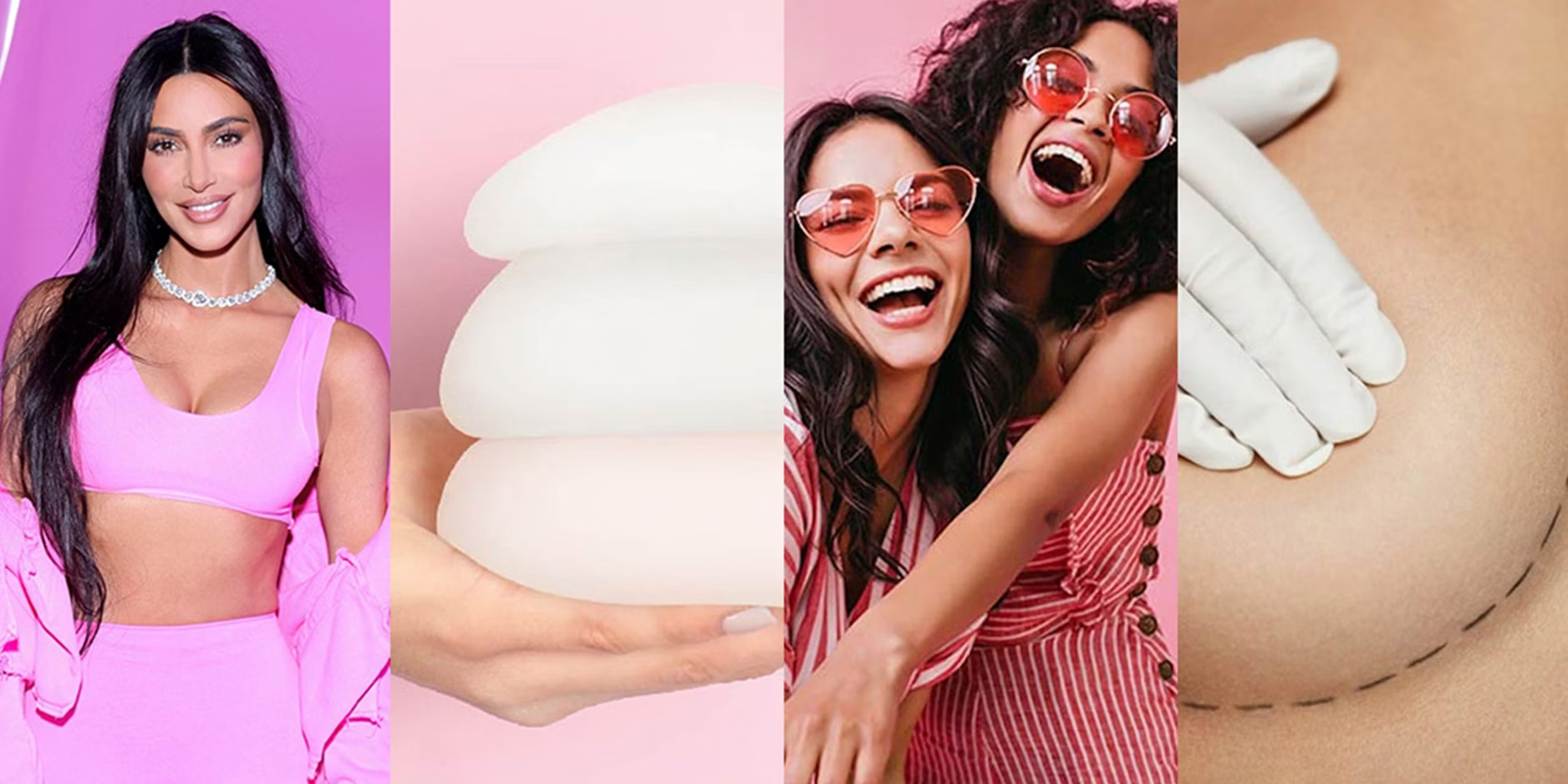
The MYA Blog explores all things Fashion & Beauty, Celebrities, News and insightful Ask an Expert Articles guaranteed to answer all your questions about starting your MYA Journey.
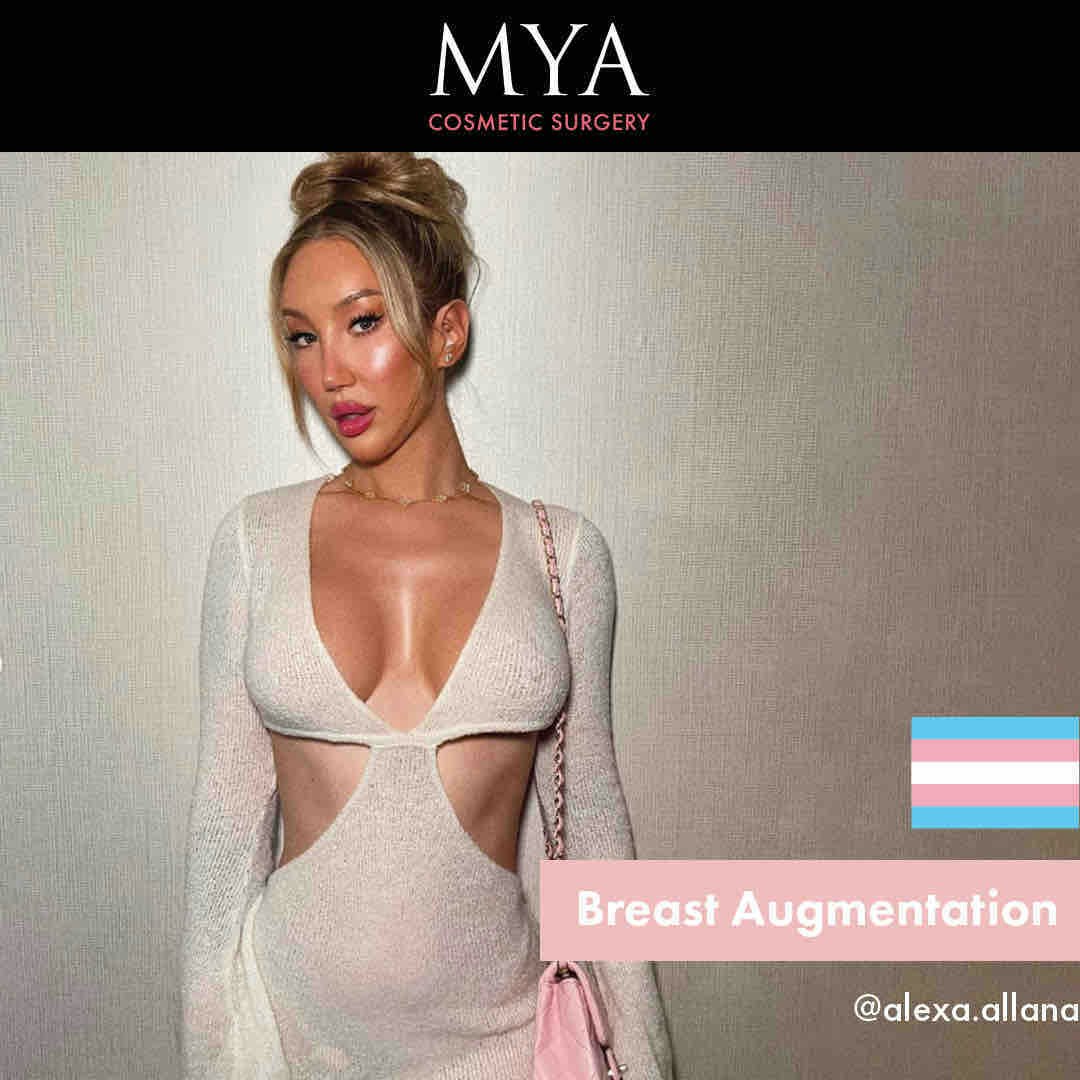
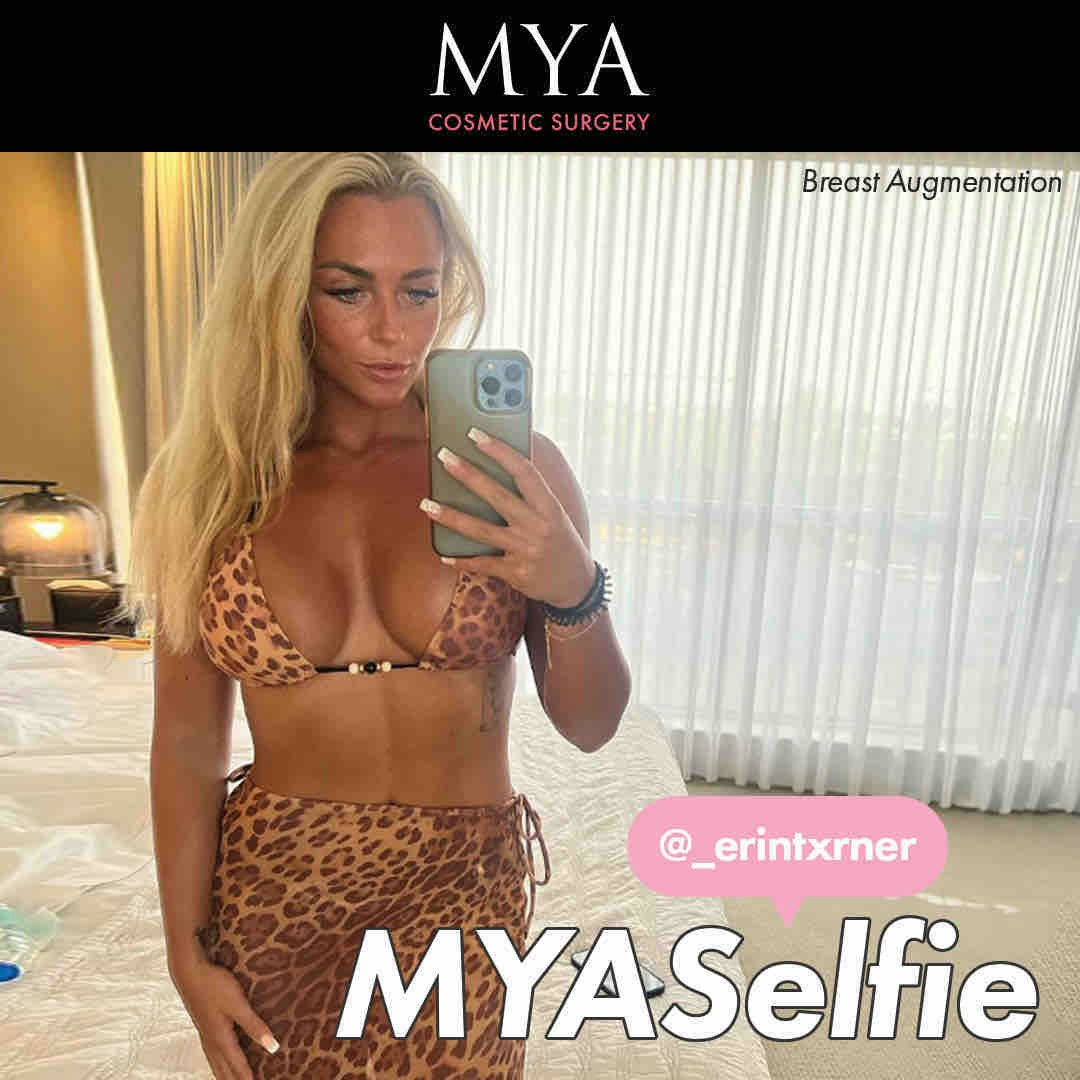
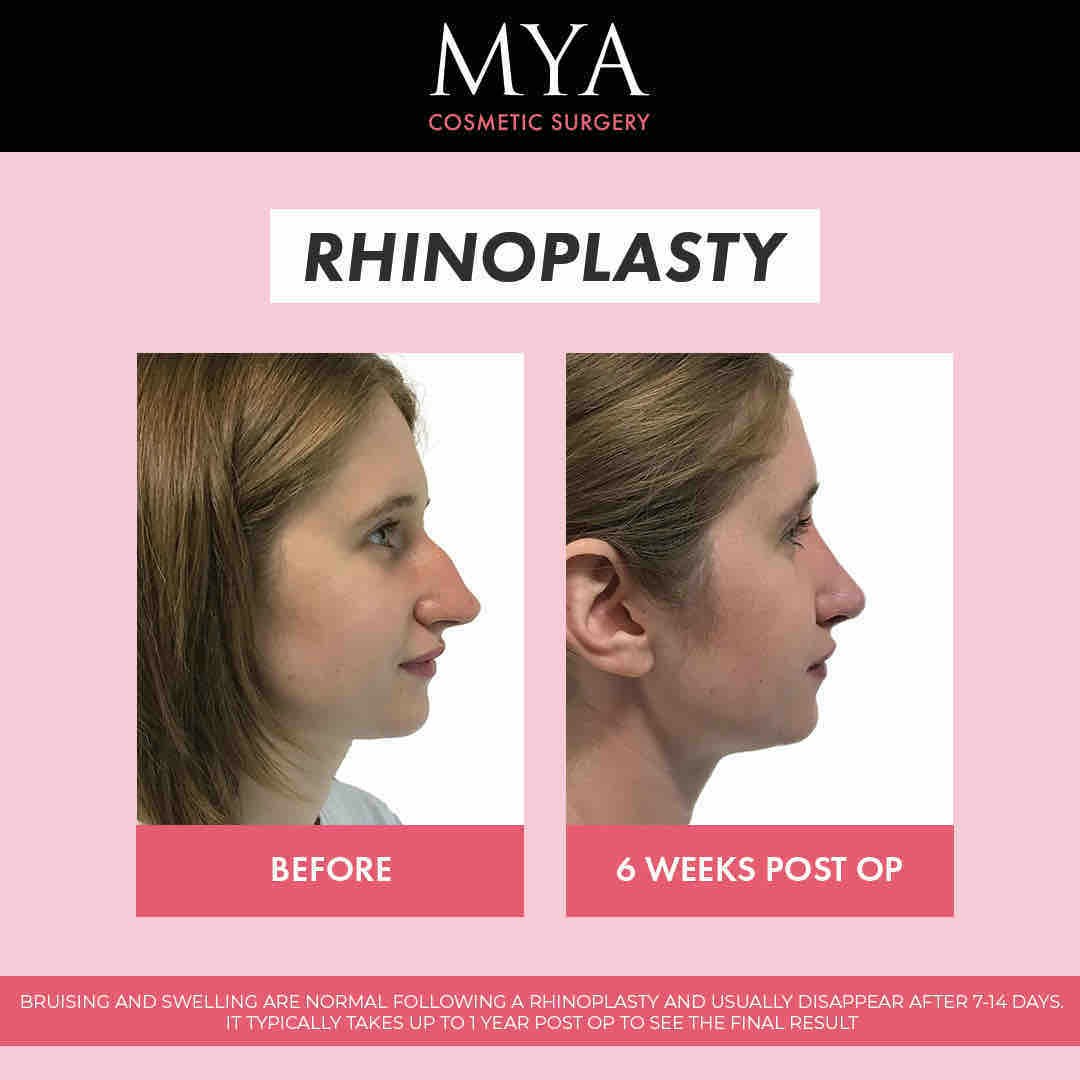
Check out our latest Insta posts
🇬🇧 UK’s Leading Breast Specialist 🔞 18+ only 🙋🏽♀️ Happiness through Healthcare 💕 #MYAGIRL #MYASelfie #MYAStory