

Tummy Tuck (Abdominoplasty)
Book Your Free Consultation-

Other Name
Abdominoplasty
-

Time in Theatre
Up to 3 hours
-

Hospital Stay
2 nights
-

Return To Work
2 weeks
-

Recovery Time
6 weeks
What is an addominoplasty?
A tummy tuck (abdominoplasty), sometimes called a stomach tuck or belly tuck, is a surgical procedure that removes excess skin, fat, unwanted scars, and stretch marks from the abdominal area. In many cases, the surgeon will also tighten and repair weakened abdominal muscles, helping to flatten the stomach and improve the overall contour of the waistline.
Who is suitable for a tummy tuck?
Factors such as weight loss, ageing, or multiple pregnancies can lead to loose skin, stubborn fat, and weakened core muscles. Abdominoplasty surgery can address these changes, restoring a firmer shape to the abdomen. For many patients, this procedure is not only about aesthetics, but it can also be truly life-changing, boosting confidence and supporting a healthier lifestyle.
Explore your options in more detail
If you’re curious about how they compare, we’ve got you covered in our guide: Tummy Tuck vs Liposuction: Which one is right for you
What are the different types of abdominoplasty surgery?
Your surgeon will take the time to understand what you’re hoping for, how your body is currently shaped, and what feels right for you. Together, you’ll look at your goals, your body type, and lifestyle before deciding which option suits you best. Some patients choose to undertake a tummy tuck procedure as part of a mummy makeover, where a stomach tuck is performed alongside a combination of procedures, such as a breast augmentation, liposuction and labiaplasty.
Full Abdominoplasty (Tummy Tuck)
A full abdominoplasty is best suited to patients with large fat deposits, loose skin, and weakened abdominal muscles. During the procedure, your surgeon makes an incision from hip to hip, plus another around the umbilicus (belly button), which is carefully repositioned. From there, excess skin and fat are removed, and the stomach muscles are gently tightened. Depending on the technique used, wound drains may be required.
Modified Abdominoplasty)
Modified Abdominoplasty (Mini Tummy Tuck)
A mini abdominoplasty is designed for patients who have good muscle tone but want to remove a small amount of excess skin from the lower abdomen. This procedure involves a shorter incision across the lower stomach and focuses on subtle contouring. Your surgeon will confirm if this is the right option for you.
Fleur De Lis Tummy Tuck (FDL)
This option is often chosen after significant weight loss, when there’s more excess skin to address. It uses both a vertical and horizontal incision, along with an incision around the belly button, which is repositioned during surgery.
It allows your surgeon to remove a larger amount of loose skin and fat, above and below the belly button, helping to create a more natural stomach shape. As with other procedures, drains will likely be used to support healing, depending on your surgeon’s approach.
Tummy Tuck with Liposuction
Abdominoplasty can also be combined with liposuction to remove stubborn fat deposits that cannot be addressed through abdominoplasty alone. This option helps achieve a smoother, more defined contour. Depending on the technique, wound drains may be required.
Complex Tummy Tuck
Abdominoplasty can also be combined with liposuction to remove stubborn fat deposits that cannot be addressed through abdominoplasty alone. This option helps achieve a smoother, more defined contour. Depending on the technique, wound drains may be required.
What are the benefits of an abdominoplasty
Abdominoplasty is not a weight loss procedure. Instead, it’s most effective for patients who have a stable BMI (body mass index) and do not plan to lose further weight.
As weight loss injections like Mounjaro and Ozempic become more popular, we’re seeing more patients ask about procedures such as abdominoplasty and breast uplift surgery. To help achieve the best possible results, we ask patients to stop injections 4 weeks before surgery and remain off them until 4 weeks after surgery. Please also remember that further weight loss after your procedure may affect your final result.
Discover more about plastic surgery following weight loss.

A change you can feel as well as see
An abdominoplasty can help boost your confidence and self-esteem, but there are also many physical and practical advantages:
A slimmer, more toned stomach
Improved shape and overall contour of the abdomen
Reduced irritation, discomfort, and sweating in the lower stomach area
Tightened and repaired stomach muscles (including separation after pregnancy)
Correction of scars from a C-section, trauma, or previous abdominal surgery
Smoother appearance of stretch marks
Improved comfort and confidence during movement and exercise
Removal of excess skin after significant weight loss
For many patients, these improvements make everyday life more comfortable and enjoyable, as well as positively impacting physical health, mental health, and lifestyle
How much is a Tummy Tuck?
At MYA, abdominoplasty prices start from £8,095. Click here for more detailed information on tummy tuck costs and what’s included. After your surgeon consult you will be given an exact quote based on your desired results and the recommended procedure
We also offer flexible payment options, including paying in full, finance plans, credit card payments, and bank loans, to help make things a little easier and more manageable
Your Tummy Tuck Procedure with MYA
Step 1: FREE consultation
Your journey starts with a free consultation with one of our friendly advisors over the phone. Here you will run through your chosen procedure in more depth, and you will have the chance to ask as many questions as you like. This is your space to explore the procedure and decide whether a breast uplift feels right for you
Step 2: Surgeon Consultation
Before your abdominoplasty you will meet with your surgeon face to face. During that consultation:
They will assess your BMI and overall suitability for surgery.
They’ll recommend the best treatment plan for your individual needs and discuss the risks, benefits, and limitations of the procedure.
Step 3: Nurse Pre op Assessment
You will meet with the nurse for a pre-operative medical assessment making sure you are fit and healthy ahead of your procedure.
During this consultation, the nurse will take pre-procedure photographs, check your vitals and blood pressure and any other requirements on review of your medical history.
The nurse will also give you guidance on the dos and don’ts before surgery, run through MYA’s aftercare and arrange post-op nurse appointments.
Step 4: The Day of Surgery
On the day of surgery, our team will be there to welcome you and help you settle in, putting you at ease with any last-minute nerves.
You will receive a general anaesthetic, administered via a small needle in the back of your hand. If you are anxious about needles, your MYA nurse can speak to the anaesthetist ahead of time to make you more comfortable.
During the procedure, the surgeon will make a horizontal incision across the lower abdomen, similar to a C-section. Depending on the type of abdominoplasty, additional incisions may be made vertically and/or around the umbilicus (belly button), which can be repositioned during surgery.
Excess skin and fat are removed, and the abdominal muscles are tightened to create a firmer, flatter stomach. In some cases, the procedure may also be combined with liposuction for enhanced contouring.
Once the surgery is complete, dressings and a compression garment are applied. This garment should be worn day and night (except when showering) for the period recommended by your surgeon to reduce swelling, aid healing, and prevent fluid build-up (seromas). In some cases, drains may be inserted to remove excess fluid and will be removed by a nurse before discharge or at a MYA clinical hub.
The procedure usually takes up to 3 hours, and most patients stay 1–2 nights in hospital to recover.

Stomach Tuck Recovery
After surgery, it is normal to experience pain, swelling, bruising, and discomfort, which typically begins to improve between 7–21 days. Pain relief will be provided to help manage any discomfort.
Patients are advised to rest for the first 14 days, with limited mobility in the initial week. Gentle movement is encouraged to reduce the risk of deep vein thrombosis (DVT). A compression garment should be worn for 4–6 weeks to support healing and prevent excess swelling.
It is important not to get your incisions wet until your MYA nurse confirms it is safe. Shallow baths and careful washing around the area are permitted, but wounds must not be fully submerged until fully healed. Regular post-operative nurse appointments at a MYA clinical hub are essential for dressing changes, wound care, and monitoring recovery.
Many patients notice an immediate improvement in abdominal shape, but the final results can take several months as swelling continues to reduce. Scars are a natural part of healing - they will generally fade, become flatter and paler over time, though they do not completely disappear.
You can find out more in our What to expect with Tummy Tuck recovery guide.
Our Patient Tummy Tuck Journeys
Here’s what some of our abdominoplasty patients had to say about their MYA experience:
“I couldn't be happier!!! I LOVE my new body shape. I’ve finally reached a point in my life where I can look in the mirror and feel happy with what I see! I actually cried the first time I properly saw myself (Happy tears though).” Read Emma’s story.
“I feel like I am more confident in every single way. Before having my procedure, the loose skin around my stomach affected my mood and the way I saw myself. Now, I can put myself out there more than I did before.” Read Chloe’s story.
Book Your Tummy Tuck Consultation Here
If you’re considering a tummy tuck and want to learn more about the procedure, benefits, and recovery, our MYA team is here to help.
Book a consultation to speak with one of our experts, ask any questions you have, and get all the information you need to make a confident decision about your abdominoplasty surgery.
Click here to book your free consultation!
Don’t forget to follow us on Instagram and check out our patient forum for patient stories and tips from those who have experienced abdominoplasty surgery first-hand.
Tummy Tuck (Abdominoplasty) Before and After
Ready to picture what’s possible? Take a look through our gallery of tummy tuck before and after photos to see some of the amazing results our talented surgeons have achieved.
These photos are taken just six weeks after surgery, and things only get better from there - scarring will continue to fade over the following months. It can take up to a year for scars to fully fade
When you have your consultation, you’ll also get access to our exclusive MYA Before & After Hub, where you can explore even more results from your chosen surgeon.


Book a Free Consultation
Take the first step in your MYA journey by having a video eConsult from the convenience of your own home with one of our eConsult advisors.
Before & After
Tummy Tuck

Before

After
6 weeks post-op

Before

After
6 weeks post-op

Before

After

Before

After
6 weeks post-op

Before

After
6 weeks post-op

Before

After
6 weeks post-op

Before

After
6 weeks post-op

Before

After
6 weeks post-op

Before

After
6 weeks post-op

Before

After
6 weeks post-op

Before

After
6 weeks post-op

Before

After
6 weeks post-op

Before

After
6 weeks post-op

Before

After
6 weeks post-op

Before

After
6 weeks post-op

Before

After
6 weeks post-op
MYA Journey Information & FAQs
Your Community and MYA Social
If you’re researching cosmetic surgery, make sure you check out our amazing collection of MYA patients’ across our social media channels including Instagram and TikTok where patients continue to share their MYA journey.
Explore Our Community


“We believe that everybody and every body is unique”
MYA Cosmetic Surgery
MYA is the only cosmetic surgery company rated 'OUTSTANDING' by CQC


3 ways to book your consultation with us
Book your consultation with us today in whichever way works best for you.


The MYA Patient Portal
MYA are the only cosmetic surgery provider with an online Patient Portal. We’ve created a bespoke product to help our patients access their information whenever they want and to make their journey with us more seamless.
Learn more
MYA Forum
The MYA Space Forum is currently made up of over 84,000 members sharing their experience and advice. Helping to answer questions and sharing their amazing before and after results.

Blog
The MYA Blog explores all thing surgery related, industry news, insightful Ask and Expert articles and so much more to help you during your MYA journey.


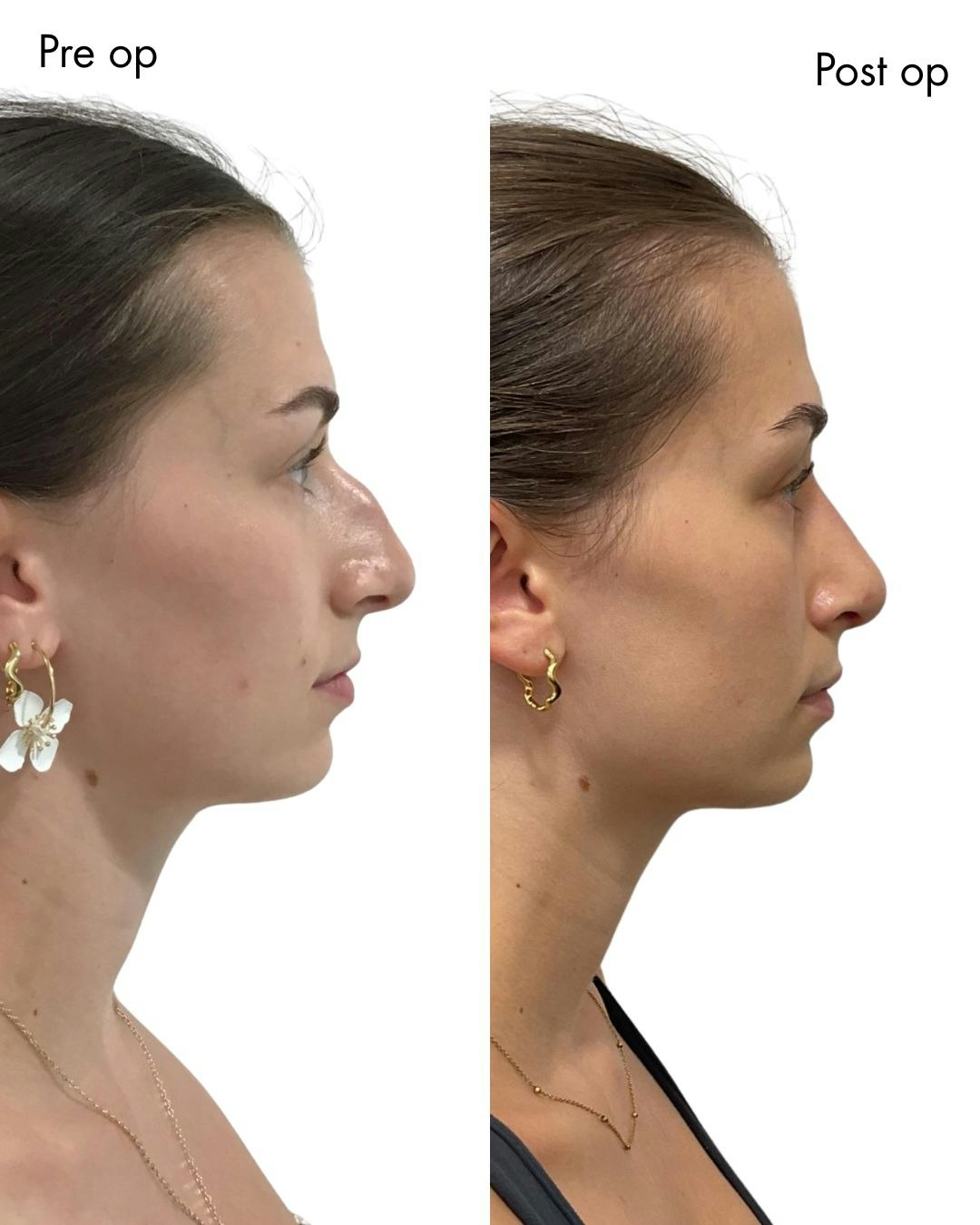
Check out our latest Instagram posts