

Loose Skin on Legs After Weight Loss: How Thigh Lift Surgery Can Help
September 27th, 2026 |Loose Skin on Legs After Weight Loss: How Thigh Lift Surgery Can HelpLosing weight can transform the way you feel, your health and your confidence. But for many people, reaching their goal weight is only part of the story.
Loose skin on the legs after weight loss is a common concern, particularly around the inner thighs. Even after months of healthy eating, exercise or successful weight loss with medications such as Wegovy, Ozempic or Mounjaro, excess skin can remain, affecting both comfort and confidence. For some people, it can cause chafing and irritation during everyday activities. For others, it's simply a reminder that their body hasn't changed in quite the way they hoped.
If you've been wondering whether thigh lift surgery after weight loss could help, you're certainly not alone. While exercise can strengthen and tone your legs, it can't tighten skin that's permanently lost its elasticity.
In this guide, we'll explain why loose skin on legs after weight loss can occur, why the thighs are particularly susceptible, and how an inner thigh lift may help improve both comfort and body confidence after significant weight loss.
Book your free, no obligation consultation with MYA here
Why does loose skin on legs after weight loss happen?
Many people assume their skin will simply shrink as they lose weight. While that can happen after small amounts of weight loss, significant or rapid weight loss often tells a different story.
Your skin is remarkably elastic. It's designed to stretch as your body changes and, in many cases, return to its previous shape. But elasticity has its limits.
When your body carries extra weight for a prolonged period, the skin stretches to accommodate it. Over time, important structural proteins called collagen and elastin become less effective. These proteins give skin its strength and ability to spring back into place.
Once a large amount of weight is lost, there may simply be too much skin remaining for it to retract completely.
Several factors influence how much loose skin after weight loss someone experiences, including:
The amount of weight lost
How quickly the weight was lost
Age
Genetics
Skin quality
Smoking history
Sun exposure
Overall health and nutrition
Rapid weight loss associated with GLP-1 medications such as Wegovy, Ozempic and Mounjaro has brought renewed attention to this issue. While these medications don't directly cause loose skin, they can lead to significant weight loss over a relatively short period of time, making it more noticeable.
As the use of GLP-1 medications continues to increase, so too do the number of people experiencing the physical changes that can follow significant weight loss. Updated NICE guidance (2025) continues to recommend medicines such as semaglutide as part of a wider weight management programme alongside healthy eating and increased physical activity. While these treatments can deliver significant health benefits, substantial weight loss may also leave excess skin behind in areas such as the thighs, abdomen and upper arms.
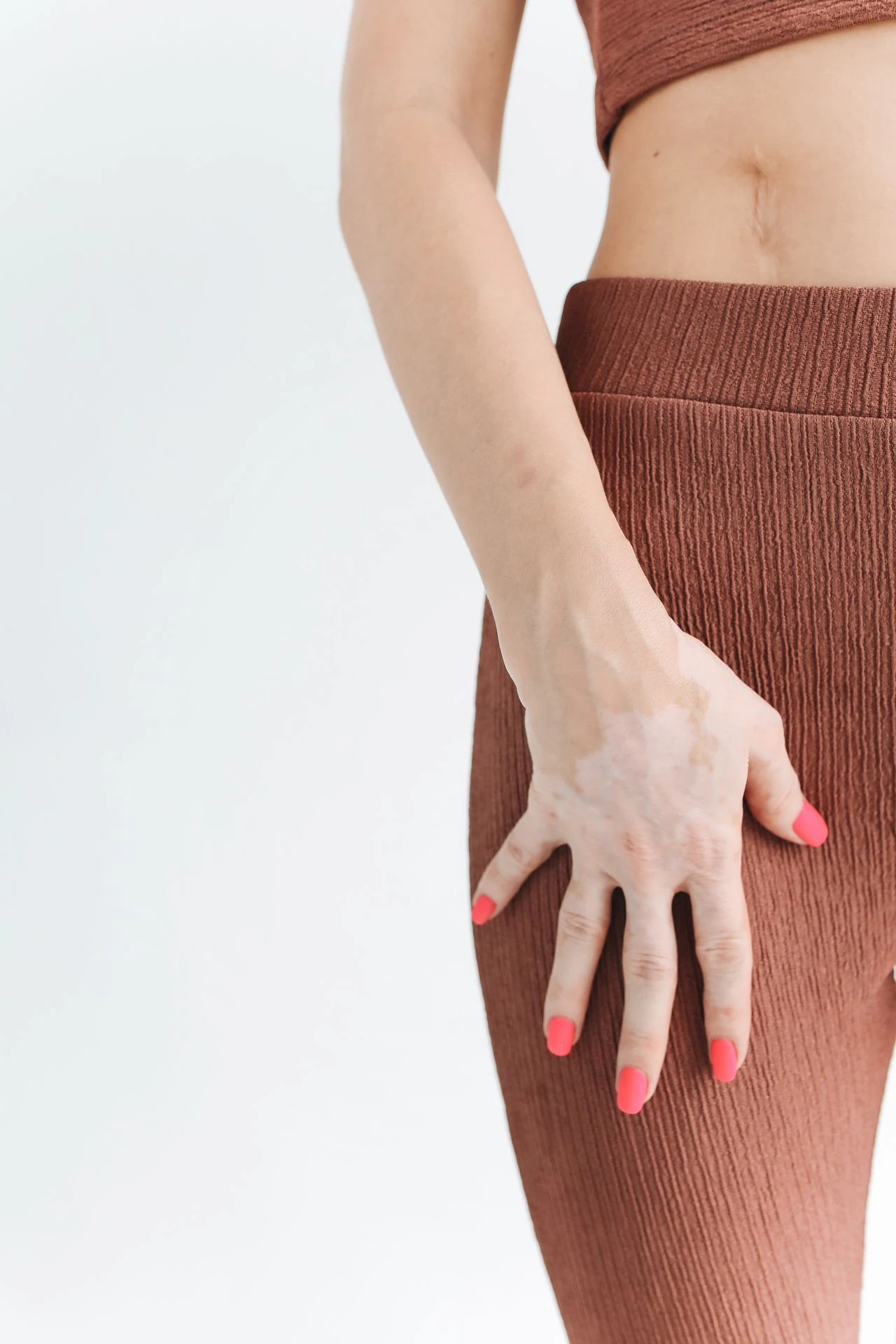
The thighs are one of the most common areas affected because they naturally store fat, particularly on the inner thighs. Once that fat is reduced, the remaining skin may no longer have enough elasticity to tighten on its own.
Why are the thighs particularly prone to loose skin?
Not every part of the body responds to weight loss in the same way. Many people notice changes in their face, abdomen and upper arms, but the thighs can present their own unique challenges.
Clinical studies demonstrate just how significant GLP-1-related weight loss can be. According to the European Medicines Agency (EMA), people taking semaglutide (the active ingredient in Wegovy and the same active ingredient used in Ozempic) lost an average of around 15% of their body weight over 68 weeks. While this level of weight loss can deliver substantial health benefits, it can also make excess skin more noticeable in areas that naturally store fat, including the inner thighs.
The skin on the inner thighs is naturally thinner than skin in many other parts of the body. It also experiences constant movement through walking, climbing stairs and exercise, meaning gravity and friction play a much greater role over time.
For some people, excess skin on the thighs after weight loss causes little more than cosmetic concerns. For others, it can begin to affect everyday comfort.
You might experience:
Skin rubbing together when walking
Chafing during exercise
Heat rashes or irritation
Difficulty finding clothes that fit comfortably
Skin becoming trapped or folded
Reduced confidence wearing shorts, dresses or swimwear
It's important to remember that these concerns are completely normal.
Many people feel conflicted after losing weight. They're delighted with what they've achieved but frustrated that loose skin prevents them from fully appreciating the results.
These feelings are understandable, and they're something cosmetic surgeons discuss with patients every day.
Can exercise tighten loose skin on legs after weight loss?
This is one of the most common questions people ask. Unfortunately, there's no simple yes or no answer.
Exercise remains one of the best things you can do after losing weight. Building muscle can improve the shape and definition of your legs while supporting your overall health.
Strength training can:
Improve muscle tone
Increase definition
Support long-term weight maintenance
Improve mobility and fitness
However, exercise cannot remove significant excess skin, because skin and muscle are completely different tissues. You can strengthen the muscles underneath loose skin, but you can't exercise away skin that has permanently lost its elasticity.
Many patients spend months, or even years, trying different workouts, hoping their skin will tighten naturally. But if the skin has stretched beyond its ability to retract, no amount of squats, lunges or gym sessions will remove it.
For people experiencing substantial loose skin on legs after weight loss, thigh lift surgery may be the only option capable of removing excess skin and reshaping the area.
When might an inner thigh lift be the right option?
Every patient is different. Some people are perfectly happy with the way their thighs look after weight loss. Others find the remaining skin affects both their confidence and quality of life.
An inner thigh lift may be worth considering if:
Excess skin hangs from the inner thighs.
You're experiencing regular chafing or skin irritation.
Exercise hasn't improved the appearance of loose skin.
Your weight has stabilised.
You feel self-conscious about the appearance of your legs.
Loose skin makes certain clothing uncomfortable.
You're looking to complete your body contouring after significant weight loss.
For many patients, the decision isn't simply about appearance. It's about finally feeling comfortable in clothes, enjoying exercise again or no longer worrying about skin rubbing together when walking.
After working incredibly hard to lose weight, it's understandable to want your body to better reflect everything you've achieved.
Book your free, no obligation consultation with MYA here
What is an inner thigh lift?
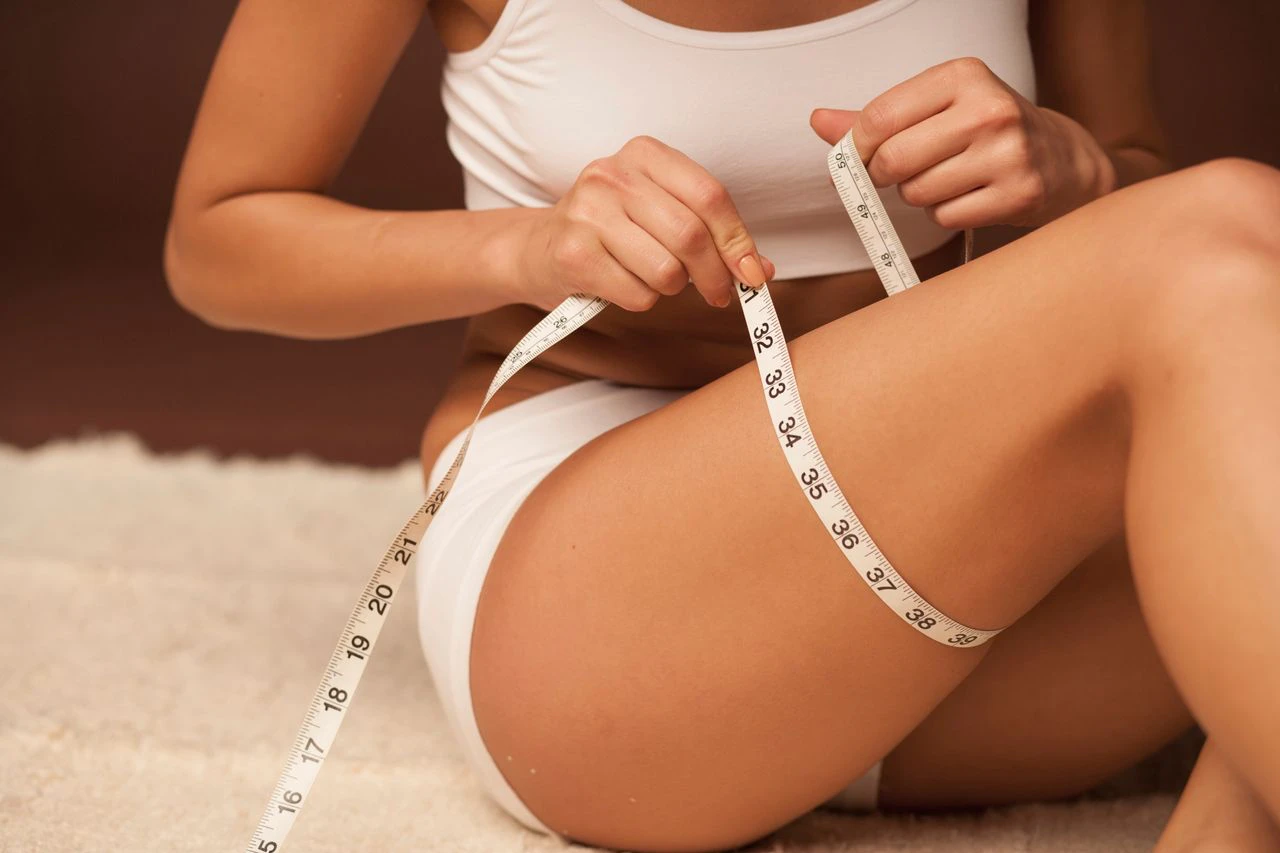
An inner thigh lift, sometimes called a medial thigh lift, is a cosmetic procedure designed to remove excess skin and reshape the inner thighs. Rather than focusing on fat removal alone, the procedure addresses skin laxity that can't be improved through diet or exercise.
During surgery, your MYA surgeon carefully removes excess skin before tightening and reshaping the remaining tissue to create smoother, more proportionate contours.
The exact surgical approach will depend on:
How much excess skin is present
Where the loose skin is located
Your anatomy
Your goals
Your surgeon's clinical assessment
Because every patient is different, there's no one-size-fits-all procedure. Your consultation is designed to explore the outcome you're hoping to achieve while ensuring surgery is both appropriate and realistic for your circumstances.
The aim isn't to create ‘perfect’ legs. It's to help your thighs feel more comfortable, better proportioned and more in keeping with the rest of your body after significant weight loss.
Can a thigh lift after weight loss be combined with other procedures?
It often can. Many people who experience loose skin on legs after weight loss also notice changes elsewhere, including the abdomen, upper arms or breasts.
Depending on your individual circumstances, your surgeon may discuss combining an inner thigh lift with procedures such as:
Abdominoplasty (Tummy Tuck) to remove excess abdominal skin.
Arm lift (brachioplasty) to improve loose skin on the upper arms.
Mastopexy (Breast Lift) to restore breast shape following weight loss.
Face and/or Neck Lift to remove excess skin and rejuvenate the face and/or neck
Combining procedures can sometimes reduce the need for multiple recovery periods, although this isn't suitable for everyone.
Your surgeon will consider a range of factors before recommending any treatment plan, including your overall health, medical history, recovery considerations and the amount of surgery involved.
At MYA, recommendations are always tailored to the individual. Rather than encouraging unnecessary procedures, the focus is on helping you achieve safe, balanced and natural-looking results that complement your weight loss journey.
Book your free, no obligation consultation with MYA here
Why timing matters after weight loss
If you're considering post weight loss surgery, timing is one of the most important factors in achieving the best possible outcome.
It can be tempting to explore surgery as soon as you notice loose skin on your legs after weight loss, but it's usually recommended to wait until your weight has stabilised. This allows your body time to adjust to its new shape and gives your surgeon a clearer understanding of how much excess skin remains.
For patients who have lost weight through Wegovy, Ozempic, Mounjaro or other GLP-1 medications, your surgeon will also want to understand whether you've reached a sustainable, healthy weight before discussing surgery.
Maintaining a stable weight isn't just about improving the appearance of your results. It also supports your recovery and ensures the outcome remains as long-lasting as possible.
Your overall health is equally important. Eating a balanced diet, staying active, avoiding smoking and following your healthcare team's advice all contribute to better healing after surgery.

What happens during your MYA consultation?
Every person's experience of weight loss is different, which is why every consultation at MYA is tailored to the person receiving it.
Rather than focusing solely on the loose skin itself, your consultation is an opportunity to discuss what you've achieved, what concerns you most and what you're hoping surgery could help you achieve.
Your surgeon will:
Listen carefully to your goals and expectations.
Examine the areas you're concerned about.
Assess the quality and elasticity of your skin.
Review your medical history and current health.
Discuss whether an inner thigh lift is the most appropriate procedure.
Explain the expected results, recovery and potential scarring.
You'll also have plenty of opportunities to ask questions.
Some patients arrive knowing exactly what procedure they're interested in. Others simply know they aren't comfortable with the excess skin they've been left with. Both are completely normal.
At MYA, there's no pressure to proceed with surgery. If an inner thigh lift after weight loss isn't the right option, your surgeon will explain why and discuss the alternatives available to you.
The aim is always to help you make an informed decision that feels right for your body, your health and your long-term goals.
Book your free, no obligation consultation with MYA here
Thigh lift recovery: what should you expect?
Every recovery is different, but understanding what to expect can help you feel more prepared.
Immediately after your thigh lift surgery, it's normal to experience swelling, bruising and some discomfort while your body begins to heal.
Your surgeon will provide personalised aftercare advice, but recovery typically includes:
Wearing compression garments to minimise swelling.
Taking gentle walks to encourage healthy circulation.
Avoiding strenuous exercise until advised.
Attending follow-up appointments with your MYA team.
Giving your body the time it needs to heal.
Recovery doesn't happen overnight. And while you'll notice improvements as swelling settles, your final results will continue to develop over the weeks and months ahead.
Just as importantly, MYA's aftercare doesn't stop once your procedure is complete. You'll continue to be supported throughout your recovery by the same experienced team, ensuring you always know where to turn if you have questions or concerns.
Is an inner thigh lift right for you?
Choosing cosmetic surgery is a personal decision, and there's no single answer that's right for everyone.
Some people are comfortable living with loose skin after weight loss, while others find it has a significant impact on their confidence, comfort or quality of life.
If you've achieved a stable weight, maintained a healthy lifestyle and feel that excess skin on your thighs is preventing you from fully enjoying your weight-loss success, an inner thigh lift may be worth exploring.
For many patients, surgery isn't about chasing perfection. It's about feeling more comfortable walking, exercising and wearing the clothes they enjoy. It's about reducing skin irritation and helping their appearance better reflect the incredible achievement of losing weight.
Ultimately, the best way to find out whether surgery is suitable for you is through a consultation with an experienced cosmetic surgeon.
Celebrate your achievement with confidence
Losing a significant amount of weight is something to celebrate. Whether you've achieved it through lifestyle changes, bariatric surgery or medications such as Wegovy, Ozempic or Mounjaro, reaching your goal weight takes commitment, determination and resilience.
If loose skin on your legs after weight loss is stopping you from feeling completely confident, it's important to remember that you're not alone. Many people experience exactly the same concerns, and for some, thigh lift surgery can provide a way of addressing excess skin that simply won't improve through diet or exercise alone.
At MYA, every recommendation starts with understanding you.
Our experienced surgeons will take the time to listen to your concerns, explain your options honestly and help you decide whether an inner thigh lift is the right next step for your body and your goals.
Book your free, no obligation consultation with MYA here
Loose skin on legs after weight loss surgery FAQ’s
Can loose skin on legs after weight loss go away naturally?
It depends on several factors, including your age, skin elasticity, genetics and how much weight you've lost. Mild skin laxity may improve over time, but significant loose skin on legs after weight loss is unlikely to disappear completely without surgery.
Does exercise tighten loose skin on thighs after weight loss?
Exercise can strengthen the muscles beneath the skin and improve the shape of your legs, but it can't remove excess skin that's lost its elasticity. If significant loose skin remains after reaching your target weight, an inner thigh lift may be an option worth exploring.
What’s the difference between an inner thigh lift and a medial thigh lift?
There isn't one. Inner thigh lift and medial thigh lift are two names for the same procedure, which removes excess skin from the inner thighs to improve contour and comfort after significant weight loss.
Can Wegovy cause loose skin on your legs?
Wegovy doesn't directly cause loose skin. However, the significant weight loss it can help people achieve may leave excess skin behind if the skin is unable to retract fully. The same can happen after weight loss with Ozempic, Mounjaro or bariatric surgery.
Am I a good candidate for thigh lift surgery after weight loss?
You may be suitable if you've reached a stable weight, are in good general health and have excess skin that's affecting your comfort or confidence. A consultation with an experienced MYA surgeon is the best way to determine whether surgery is right for you.
Can a thigh lift be combined with other cosmetic procedures?
Yes, in some cases. Depending on your individual circumstances, an inner thigh lift may be performed alongside procedures such as a tummy tuck, arm lift or breast uplift. Your surgeon will discuss the safest and most appropriate treatment plan during your consultation.
How long does thigh lift recovery take?
Recovery varies from person to person. Most patients need several weeks before returning to more strenuous activities, while swelling continues to improve over the following months. Your MYA surgeon and nurse will provide personalised advice throughout your recovery.
Will a thigh lift remove stretch marks?
If stretch marks are located on the skin that's removed during surgery, they may also be removed. However, an inner thigh lift isn't designed specifically to treat stretch marks, so some may remain after surgery.
Will the results of an inner thigh lift last?
The results are designed to be long-lasting, particularly if you maintain a stable weight and healthy lifestyle. As with any cosmetic procedure, the natural ageing process will continue over time.
Is post weight loss surgery only for people who've had bariatric surgery?
No. Post weight loss surgery may be suitable for people who've lost a significant amount of weight through healthy eating, exercise, GLP-1 medications such as Wegovy, Ozempic or Mounjaro, or bariatric surgery. The most important factor is whether excess skin is affecting your comfort, confidence or quality of life.

3 ways to book your consultation with us
Book your consultation with us today in whichever way works best for you.


The MYA Patient Portal
MYA are the only cosmetic surgery provider with an online Patient Portal. We’ve created a bespoke product to help our patients access their information whenever they want and to make their journey with us more seamless.
Learn more
MYA Forum
The MYA Space Forum is currently made up of over 84,000 members sharing their experience and advice. Helping to answer questions and sharing their amazing before and after results.

Blog
The MYA Blog explores all thing surgery related, industry news, insightful Ask and Expert articles and so much more to help you during your MYA journey.


Check out our latest Instagram posts