

Ozempic Makeover: Cosmetic Surgery Options After Rapid Weight Loss
September 27th, 2026 |Ozempic Makeover: Cosmetic Surgery Options After Rapid Weight LossHave you started seeing the phrase 'Ozempic makeover' online and wondered what it actually means?
As more people achieve significant weight loss with medications such as Ozempic, Wegovy and Mounjaro, conversations about the changes that can follow have become increasingly common. While reaching a healthier weight is something to celebrate, it's not unusual to notice loose skin, changes in facial volume or areas of the body that don't quite reflect how you expected to look after losing weight.
An Ozempic makeover isn't a single cosmetic procedure. Instead, it's a personalised approach to cosmetic surgery after weight loss, combining treatments that address the physical changes some people experience following rapid weight loss. Whether those changes affect your face, breasts, abdomen, arms or thighs, the right treatment plan will always depend on your individual goals and anatomy.
In this guide, we'll explain what an Ozempic makeover involves, why these changes happen after significant weight loss, and which cosmetic surgery procedures may help you feel more comfortable and confident in your new shape.
Book your free, no obligation consultation with MYA here

What is an Ozempic makeover?
An Ozempic makeover isn't an official medical term, nor is it a one-size-fits-all treatment. Instead, it's a phrase that's become popular online to describe cosmetic procedures performed after significant weight loss with Ozempic or other GLP-1 medications.
Every person's experience of weight loss is different. Some people notice loose skin around the stomach or arms. Others are more concerned about changes to their face or breasts. Some experience a combination of several changes across the body. For that reason, every Ozempic makeover is tailored to the individual.
Rather than following a standard package of procedures, your surgeon will assess your goals, your body and the changes you've experienced before recommending a personalised treatment plan.
The aim isn't to make you look like somebody else. It's to help your appearance better reflect the version of yourself that you've worked so hard to achieve.
Why does rapid weight loss change the body?
When you lose weight, your body changes in more ways than simply becoming smaller.
As fat is lost, the tissues that once supported your skin begin to shrink. If you've carried extra weight for a long time, your skin may have stretched to accommodate those changes. While skin is naturally elastic, it isn't always able to contract completely once that underlying fat has gone.
This is because important structural proteins within the skin, including collagen and elastin, can become stretched over time. After significant or rapid weight loss, they may no longer provide enough elasticity for the skin to return to its previous shape, leaving areas of loose skin after weight loss.
Weight loss can also affect areas of the body where fat naturally provides shape and volume. As these fat stores reduce, some people notice changes to their facial contours, breasts or overall body proportions. This is why concerns such as Ozempic face, Ozempic body and changes in breast shape often occur following significant weight loss.
How noticeable these changes become varies from person to person and is influenced by several factors, including:
How much weight you've lost.
How quickly you've lost it.
Your age.
Your genetics.
Your skin's natural elasticity.
How long you've carried excess weight.
Importantly, these changes aren't unique to Ozempic. People who lose weight with Wegovy, Mounjaro, other GLP-1 medications, bariatric surgery or lifestyle changes can all experience the same effects, particularly after losing a significant amount of weight over a relatively short period.
It's also worth remembering that these medications don't directly cause loose skin after weight loss or changes to your appearance. Instead, they're a consequence of successful weight loss itself. The faster and more significant the weight loss, the more noticeable these changes can sometimes be.
Clinical studies help explain why these physical changes are becoming more common. Research published in the New England Journal of Medicine found that adults receiving semaglutide achieved an average weight loss of almost 15% of their body weight over 68 weeks. While this can have significant health benefits, losing a substantial amount of weight over a relatively short period can also make loose skin, changes in body shape and loss of facial volume more noticeable.
Common changes after Ozempic weight loss
Reaching your target weight is something to celebrate, but it's completely normal to notice changes that you hadn't anticipated.
Here are some of the most common concerns people discuss with their surgeon after significant Ozempic weight loss.
Ozempic face
You've probably heard the phrase Ozempic face in the media. While it may sound alarming, it simply describes the facial changes that can occur after significant weight loss.
As fat beneath the skin reduces, the face may appear leaner than before. Some people notice more defined cheekbones and jawlines, while others feel their face looks older or more hollow because it has lost some of the natural volume that previously softened their features.
These changes aren't caused by Ozempic itself. They're a natural consequence of losing facial fat, and they can occur after any form of significant weight loss.
For some people, the changes are subtle. For others, they become one of the most noticeable parts of their transformation.
Ozempic body
Just as the face changes, the body often changes too.
The term Ozempic body is increasingly being used to describe the loose skin and changes in body shape that can occur after rapid weight loss. The abdomen, upper arms and thighs are particularly common areas because the skin here has often stretched over many years.
Although reducing weight can improve overall health and mobility, loose skin may leave some people feeling that their body doesn't fully reflect the progress they've made.
Loose skin after weight loss
While the terms Ozempic face and Ozempic body often describe the most talked-about changes after rapid weight loss, loose skin after weight loss can develop almost anywhere on the body.
As your skin adapts to a smaller frame, areas such as the upper arms, back, hips, buttocks and even around the knees may also be left with excess skin. The extent of these changes varies from person to person and depends on factors such as your age, skin elasticity and how much weight you've lost.
For some people, loose skin is simply an aesthetic concern. For others, it can affect everyday comfort by causing chafing, trapping moisture, making certain clothing feel uncomfortable or reducing confidence when exercising or wearing more fitted clothes.
Changes to the breasts
Significant weight loss often affects breast shape as well as body shape.
Because breasts contain fatty tissue, losing weight can reduce their volume, leaving some people feeling that their breasts appear flatter or sit lower than before. These changes are completely normal and vary from person to person.
Some people remain happy with their new shape, while others begin exploring procedures that can restore a more lifted appearance or increase volume if that's something they'd like to achieve.
.jpg)
When is cosmetic surgery the right option?
For many people, simply allowing time for their body to naturally adjust after using Ozempic is enough. However, if you've maintained a stable weight and you're still concerned about loose skin after weight loss, changes in body shape or loss of volume, you may begin exploring cosmetic surgery.
It's important to remember that cosmetic surgery isn't about helping you lose more weight. Instead, it's about refining your body contours after you've already done the hard work of reaching a lower weight.
The most suitable time to consider an Ozempic makeover is once your weight has stabilised. Continuing to lose weight after surgery can alter your results, so your surgeon will usually recommend waiting until your body has settled before planning any procedures.
During your consultation, they'll also consider your general health, medical history, lifestyle and the outcomes you're hoping to achieve.
Book your free, no obligation consultation with MYA here
Which procedures can be part of an Ozempic makeover?
Every person's weight loss journey is different, which means every Ozempic makeover is too.
Rather than recommending the same treatment for everyone, your surgeon will suggest procedures based on your individual anatomy and goals.
Abdominoplasty (Tummy Tuck)
The abdomen is one of the areas most commonly affected by rapid weight loss.
As the body loses fat, the skin around the stomach doesn't always retract, particularly if it has been stretched over a long period of time.
A tummy tuck after weight loss removes excess skin while tightening the abdominal muscles where appropriate, creating a flatter, firmer abdominal contour.
Many patients also find that clothing fits more comfortably and that skin irritation caused by overhanging skin is reduced.
Arm lift
Loose skin on the upper arms can remain even after you've reached your target weight. For many people, this affects confidence just as much as the changes around the abdomen.
An arm lift after weight loss removes excess skin from the upper arms, helping to create smoother, more defined contours that better reflect your new body shape.
Thigh lift
The inner thighs are another area where stretched skin often remains following significant weight loss.
A thigh lift after weight loss removes excess skin while reshaping the thighs to create a smoother appearance and improve overall body proportions.
Some patients also find that reducing excess skin makes everyday movement and exercise more comfortable.
Mastopexy (Breast Lift)
Weight loss often changes breast shape as well as body shape. As breast volume reduces, it's common for the breasts to appear less full or sit lower than before.
A breast uplift removes excess skin and reshapes the existing breast tissue to create a more lifted appearance.
For patients who have experienced significant volume loss, breast augmentation may also be discussed as an option to restore fullness where appropriate.
Face & Neck Lift
Weight loss doesn't only reshape the body. For some people, it also changes the appearance of the face and neck.
As facial fat is lost, the skin may appear less supported, leading to a softer jawline, looser skin around the neck or a more hollow appearance. These changes are a natural result of significant weight loss and are often what people are referring to when they talk about Ozempic face.
For suitable patients, a face and neck lift can restore definition by lifting and repositioning the underlying tissues while removing excess skin. The goal is to create a refreshed, natural-looking appearance that feels in harmony with the rest of your post-weight-loss transformation, without looking overdone.
Labiaplasty
Significant weight loss can sometimes change the appearance of the intimate area, leaving some women feeling that enlarged or uneven labia have become more noticeable. For some, this may also lead to discomfort during exercise, while wearing certain clothing or during everyday activities.
Labiaplasty is a procedure that reshapes or reduces the labia minora to improve comfort and, where desired, create a more balanced appearance. Like every procedure that may form part of an Ozempic makeover, the decision to undergo labiaplasty is entirely personal and based on your individual concerns, anatomy and goals. During your consultation, your MYA surgeon will discuss whether it's a suitable option for you as part of your personalised treatment plan.
Combination procedures
Significant weight loss rarely affects just one part of the body. For suitable patients, combining procedures may provide the most balanced overall result while reducing the need for multiple separate operations.
Your surgeon will always discuss whether this approach is clinically appropriate based on your health, recovery and treatment goals.

What happens during your consultation at MYA?
Choosing cosmetic surgery is a personal decision, and your consultation is designed to give you the information you need to decide whether it's the right step for you.
Your surgeon will begin by getting to know you and your weight loss journey, taking the time to understand what you'd like to improve and what you hope to achieve.
Together, you'll discuss:
your medical history and general health
your weight loss journey
whether your weight has stabilised
the areas that concern you most
the procedures that may be suitable
realistic expectations and likely outcomes
recovery and aftercare
You'll also have the opportunity to ask questions and discuss any concerns without feeling under pressure to make a decision.
Every treatment plan is tailored to the individual because no two patients, and no two Ozempic makeovers, are ever the same.
Book your free, no obligation consultation with MYA here
Looking ahead
Recovery after cosmetic surgery takes time, and every procedure has its own healing process.
Swelling, bruising and temporary discomfort are all normal, and your surgeon will provide detailed aftercare guidance to support your recovery.
It's also important to remember that body contouring procedures involve scars. During your consultation, your surgeon will explain where incisions are likely to be placed, how scars typically mature and what you can do to help them heal as well as possible.
Perhaps most importantly, maintaining a healthy lifestyle after surgery will help protect your results for years to come.
NICE's updated guidance (2025) recommends using medications such as semaglutide alongside healthy eating and increased physical activity, rather than as a replacement for them. Continuing these habits after cosmetic surgery can help you maintain both your weight loss and your surgical results over the long term.
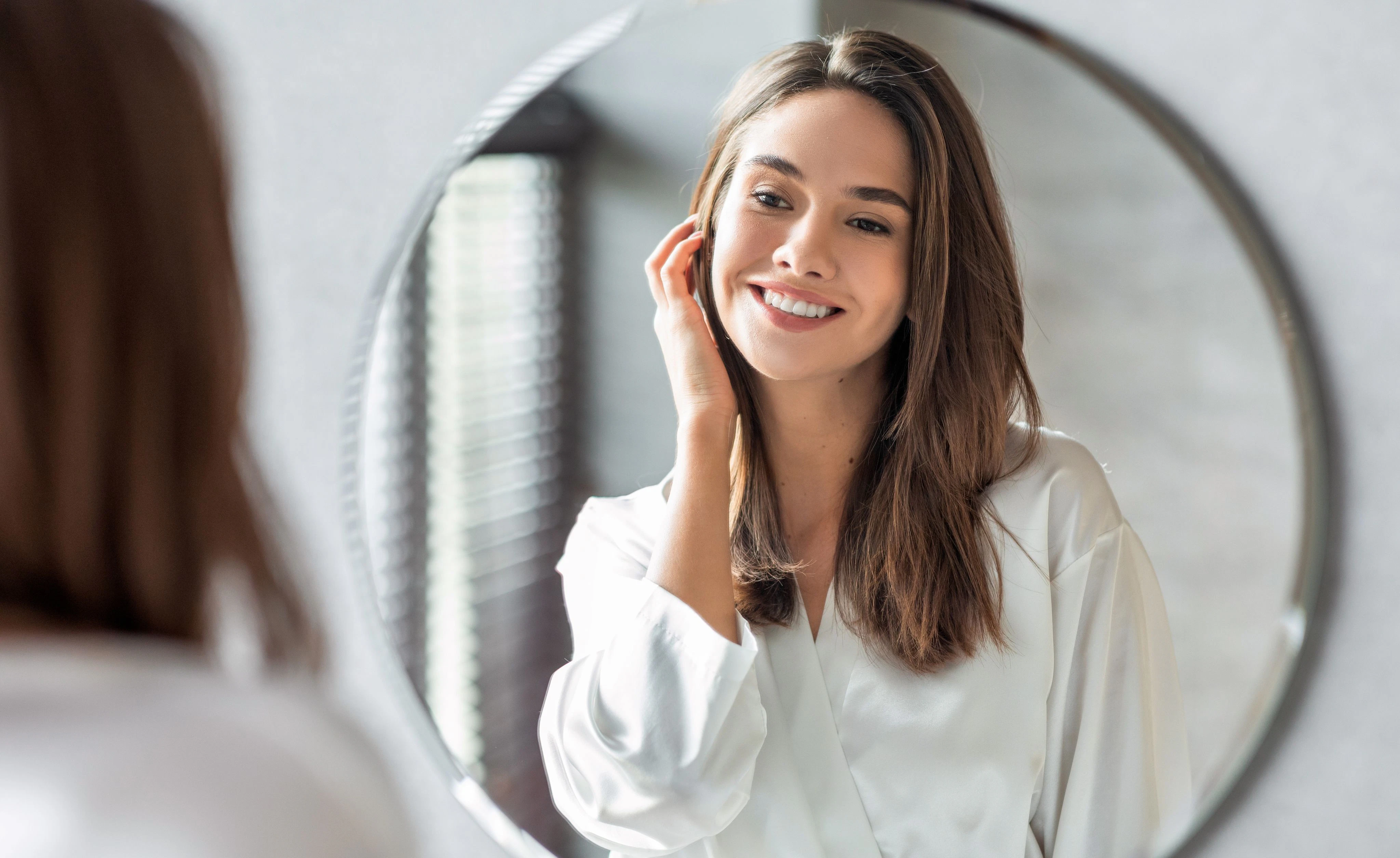
Celebrating how far you've come
Losing weight is an achievement that deserves to be celebrated. So, if changes such as Ozempic face, Ozempic body, loose skin after weight loss or loss of volume are preventing you from fully enjoying the results of your hard work, it's worth remembering that you have options.
An Ozempic makeover isn't about striving for perfection or becoming somebody new. It's about helping your appearance reflect the healthier, stronger version of yourself you've worked so hard to become.
At MYA, we're committed to providing honest advice, expert surgical care and personalised treatment plans that put your wellbeing first.
If you're considering cosmetic surgery after significant weight loss, booking a free, no obligation consultation is the first step towards understanding what may be possible for you.
Ozempic Makeover FAQs
What is an Ozempic makeover?
An Ozempic makeover isn't a single operation. It describes a personalised combination of cosmetic surgery procedures designed to address changes such as loose skin after weight loss, loss of volume or altered body contours following significant weight loss.
Does Ozempic cause loose skin?
No. Ozempic doesn't directly cause loose skin. Instead, significant or rapid weight loss can leave excess skin if it has stretched beyond its natural ability to retract.
What is Ozempic face?
Ozempic face is a term used to describe the loss of facial volume that can occur after significant weight loss. It's not caused by the medication itself but by the reduction in facial fat.
What is Ozempic body?
Ozempic body refers to the changes in body shape that some people experience after rapid weight loss, including excess skin, reduced volume and changes to body contours.
Which procedures are commonly included in an Ozempic makeover?
Depending on your individual needs, procedures may include a tummy tuck, arm lift, thigh lift, breast uplift or a combination of treatments to address different areas of the body.
How long should I wait after losing weight before having surgery?
Most surgeons recommend waiting until your weight has stabilised for several months before considering cosmetic surgery. This helps to achieve the best possible long-term results.
Can I have more than one procedure at the same time?
In many cases, yes. If it's clinically appropriate, your surgeon may discuss combining procedures to address several areas during one operation.
Will cosmetic surgery help me lose more weight?
No. Cosmetic surgery isn't a weight loss treatment. It's designed to reshape the body and address excess skin or changes in body contour after you've already reached a stable weight.
Will I have scars after an Ozempic makeover?
All surgical procedures leave scars. Your surgeon will explain where incisions will be placed and provide advice on scar care as part of your recovery.
Am I suitable for an Ozempic makeover?
Suitability depends on several factors, including your general health, whether your weight has stabilised and your individual treatment goals. A consultation with a qualified surgeon is the best way to determine which procedures, if any, are right for you.

3 ways to book your consultation with us
Book your consultation with us today in whichever way works best for you.


The MYA Patient Portal
MYA are the only cosmetic surgery provider with an online Patient Portal. We’ve created a bespoke product to help our patients access their information whenever they want and to make their journey with us more seamless.
Learn more
MYA Forum
The MYA Space Forum is currently made up of over 84,000 members sharing their experience and advice. Helping to answer questions and sharing their amazing before and after results.

Blog
The MYA Blog explores all thing surgery related, industry news, insightful Ask and Expert articles and so much more to help you during your MYA journey.


Check out our latest Instagram posts